
Beginner · 6 min read
Reading a currency pair
Identify base and quote currencies and explain a price change without confusing direction.
Read lessonYOUR LEARNING PATH
86 lessons across technical analysis, risk, market mechanics and trading routines. Browse topics, practise with examples and check your understanding.
Search in English, Persian or Swedish. Common abbreviations and listed spelling variants work in every language.
No matches. Try another term or clear the level filter.
Identify base and quote currencies and explain a price change without confusing direction.
Read lesson
Convert a price change into pips and a cash result using explicit contract assumptions.
Read lesson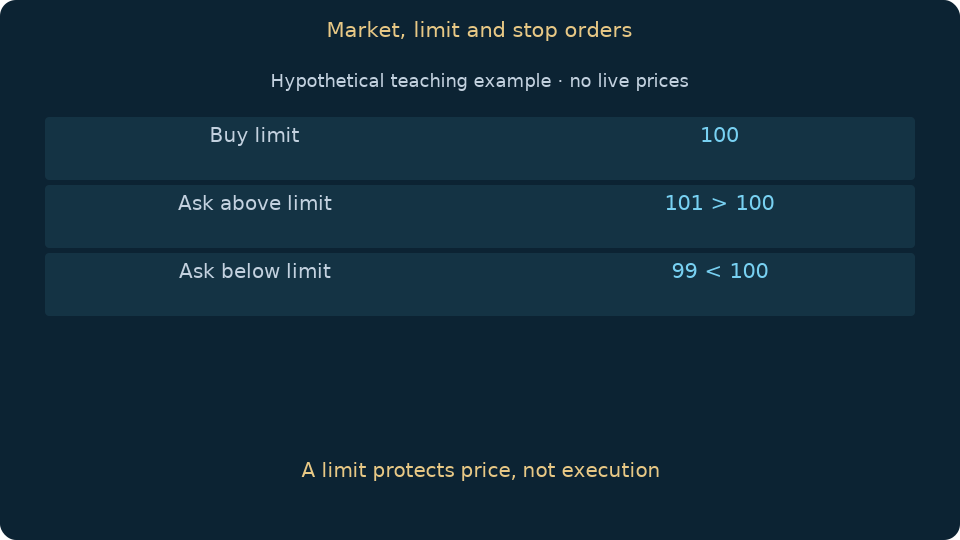
Distinguish price control from execution certainty and recognise stop-order risk.
Read lesson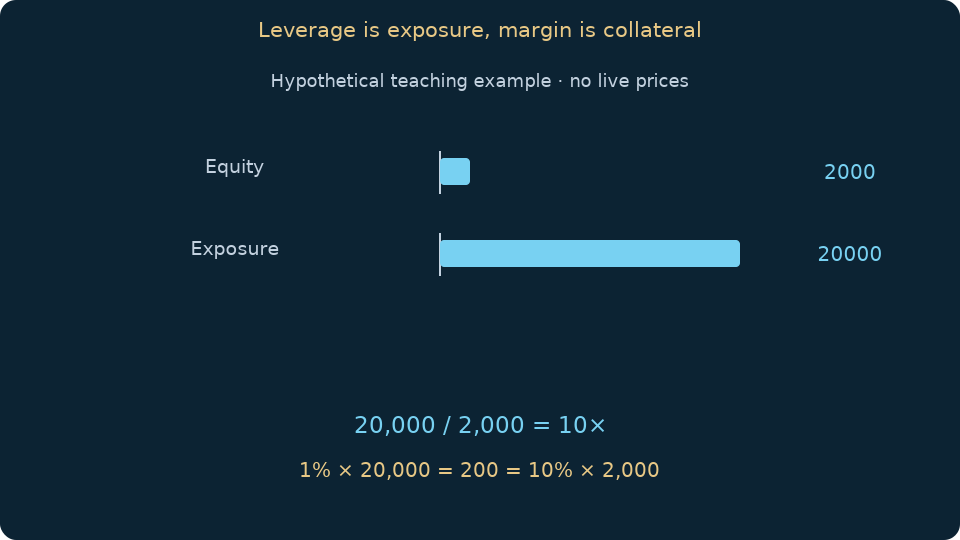
Separate position exposure, required margin and planned loss at the stop.
Read lesson
Build a cost estimate without double-counting the spread already included in fills.
Read lesson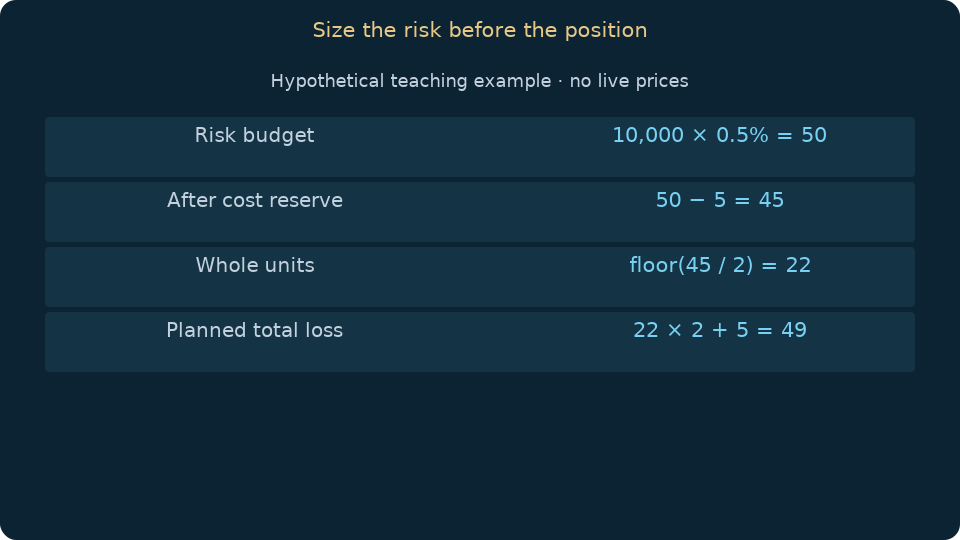
Compute a planned loss budget and position size using consistent currency units.
Read lesson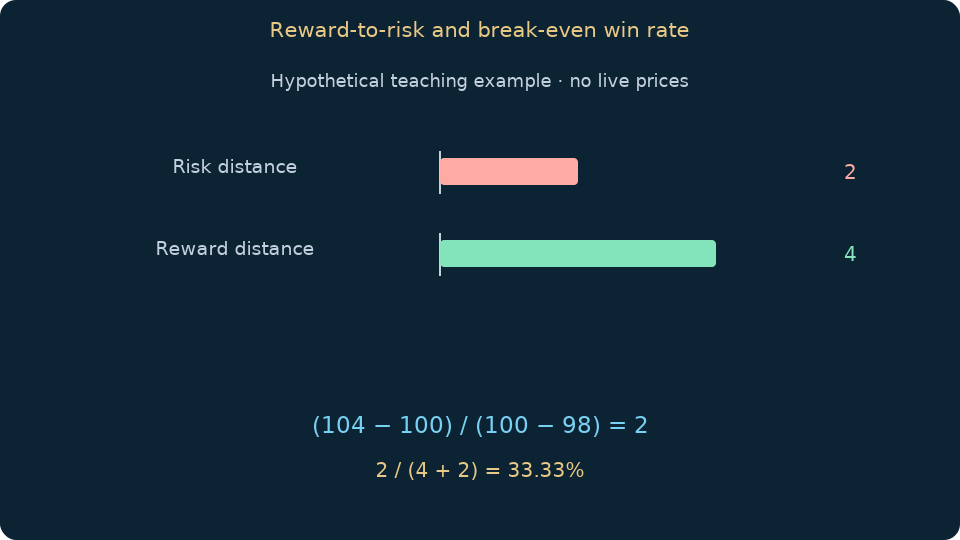
Calculate a planned ratio and explain why it does not prove positive expectancy.
Read lesson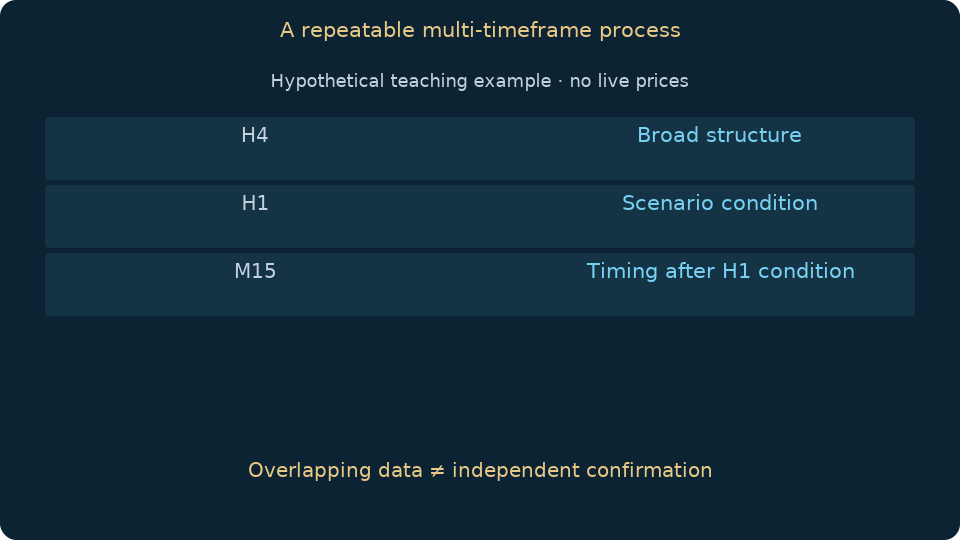
Give each timeframe a distinct job and avoid treating several views of the same data as independent evidence.
Read lesson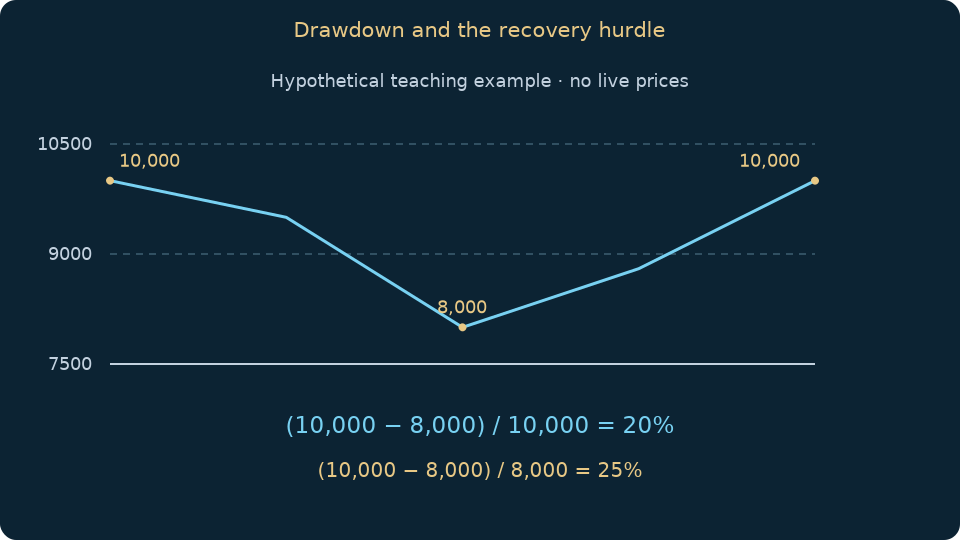
Measure decline from a stated peak and calculate the gain needed to recover.
Read lesson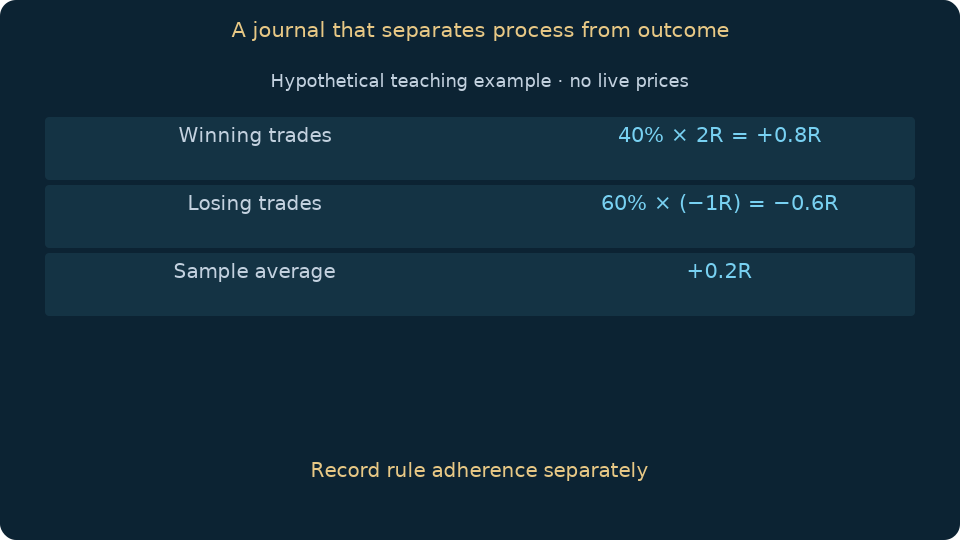
Review all trades consistently and calculate expectancy without cherry-picking.
Read lesson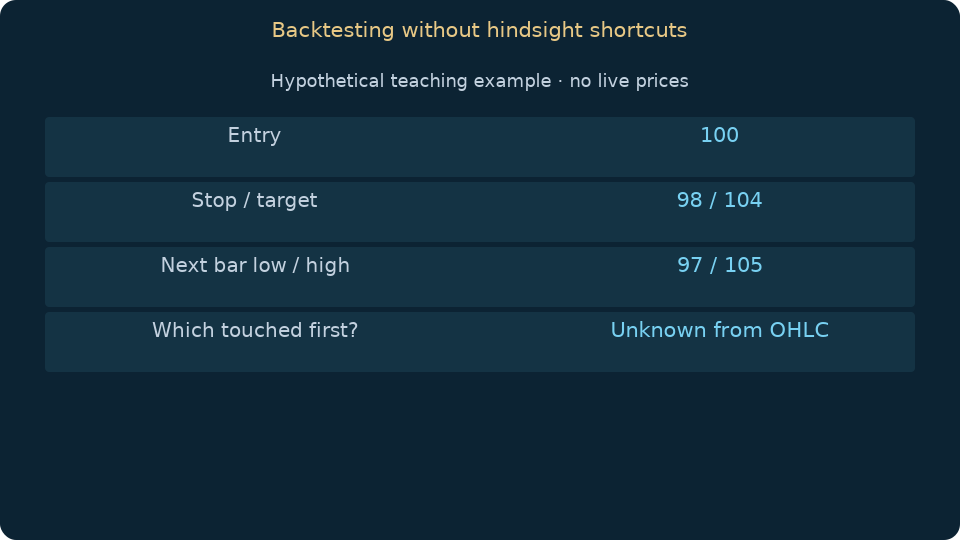
Design a reproducible historical test and name the assumptions that can invalidate it.
Read lesson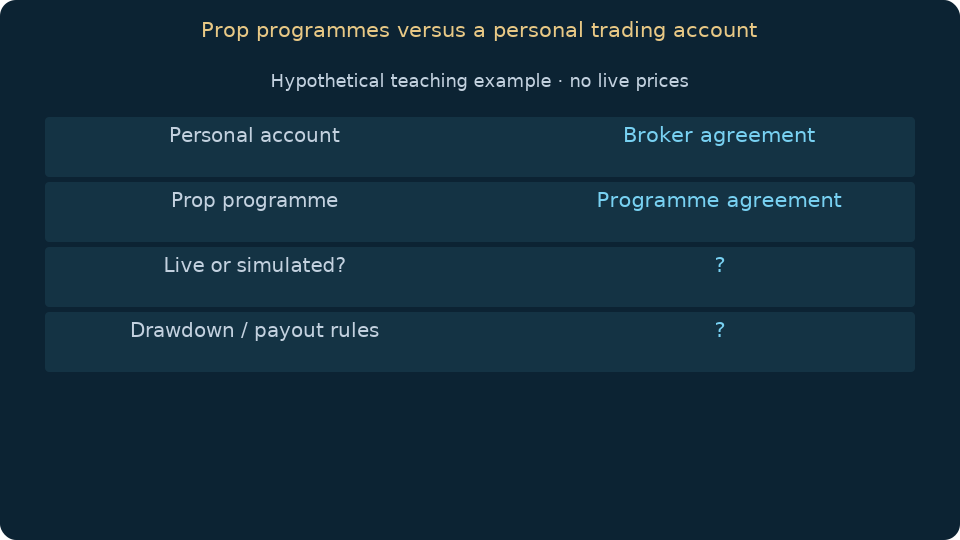
Compare the contractual model rather than assuming that a funded label proves regulation or capital custody.
Read lesson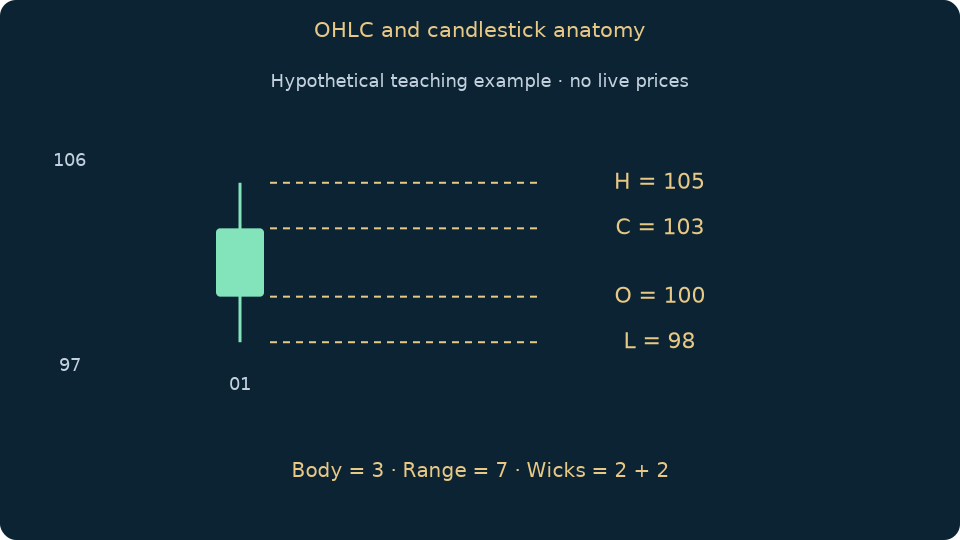
Read four prices and separate the candle body from its full range.
Read lesson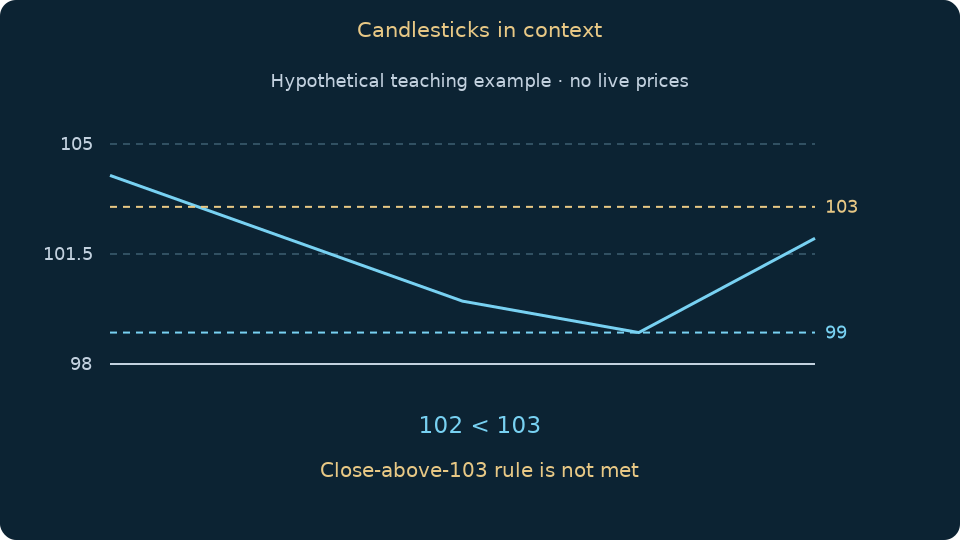
Evaluate a candle using location, preceding movement and confirmation rules.
Read lesson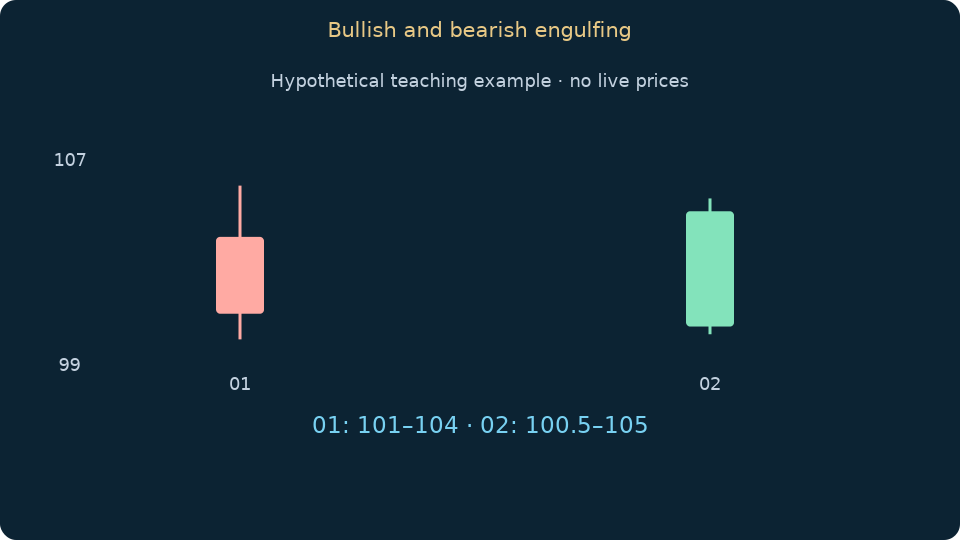
Recognise body engulfing and distinguish it from full-range engulfing.
Read lesson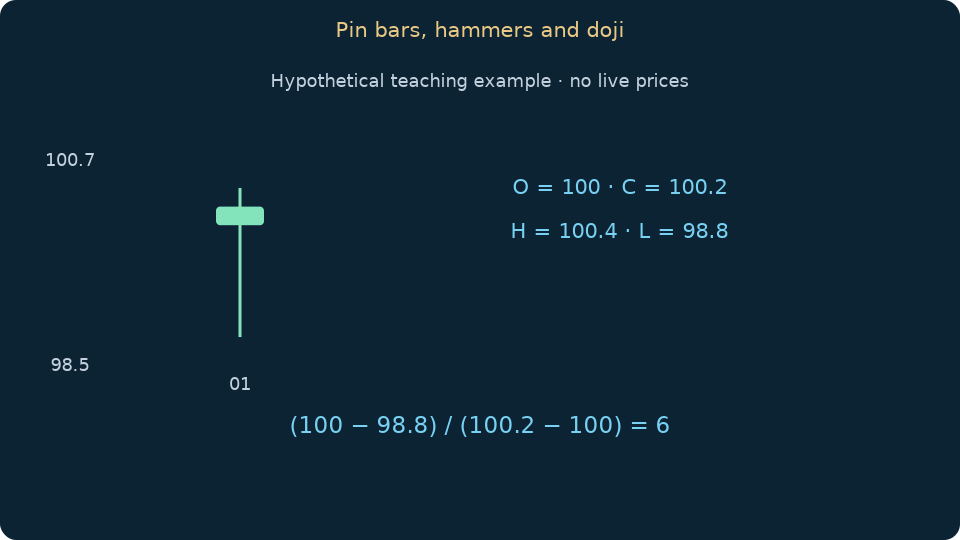
Measure candle proportions without treating rejection or indecision as certainty.
Read lesson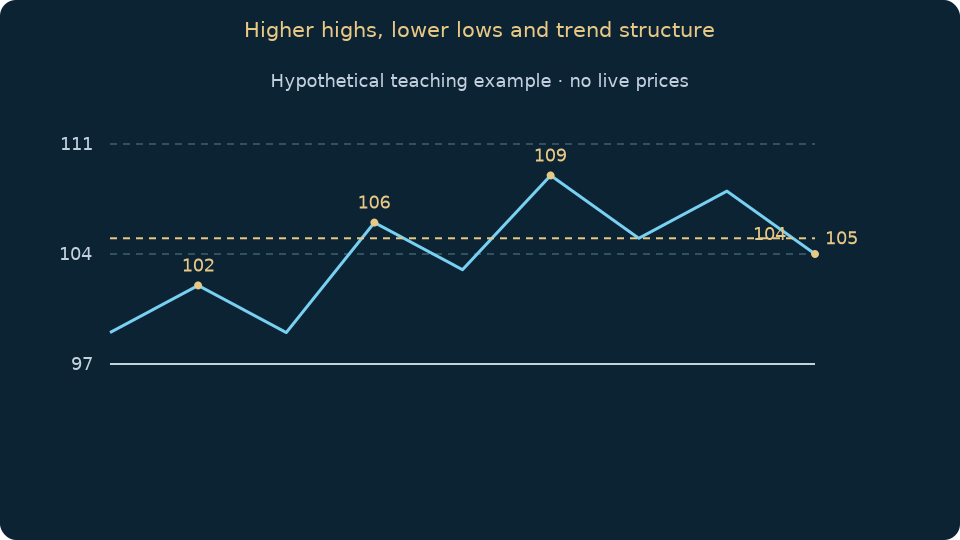
Define swings consistently and recognise ambiguity when structure changes.
Read lesson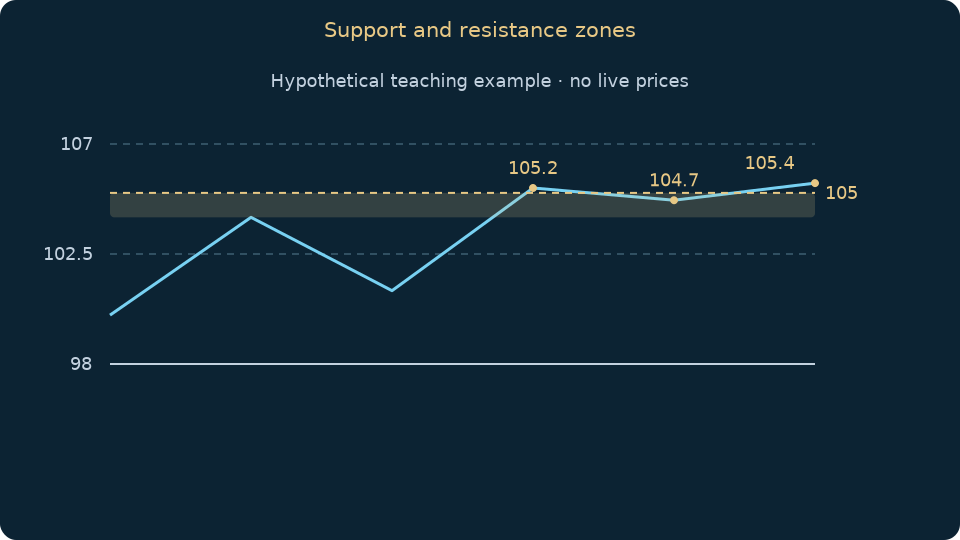
Mark reproducible areas and distinguish a reaction from a confirmed break.
Read lesson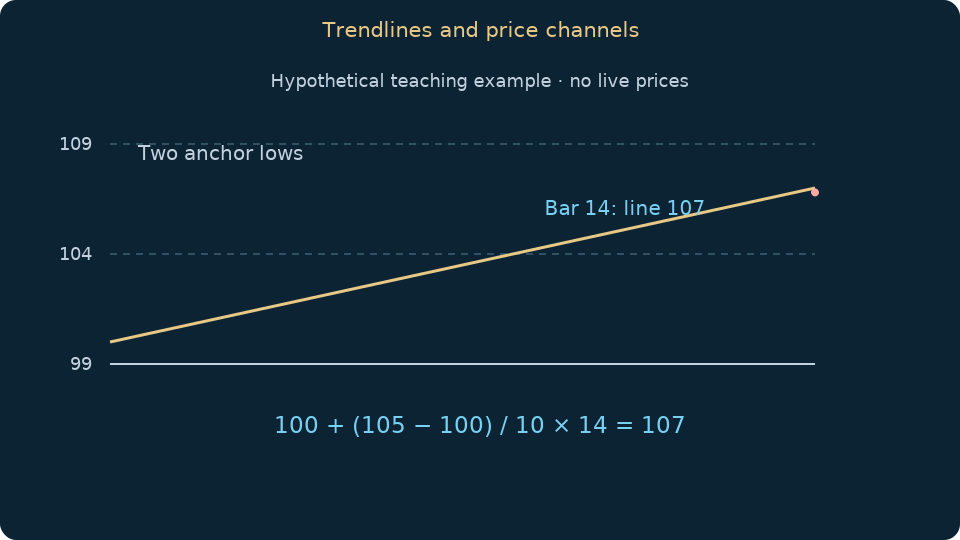
Draw consistent sloping boundaries and understand their sensitivity to chart settings.
Read lesson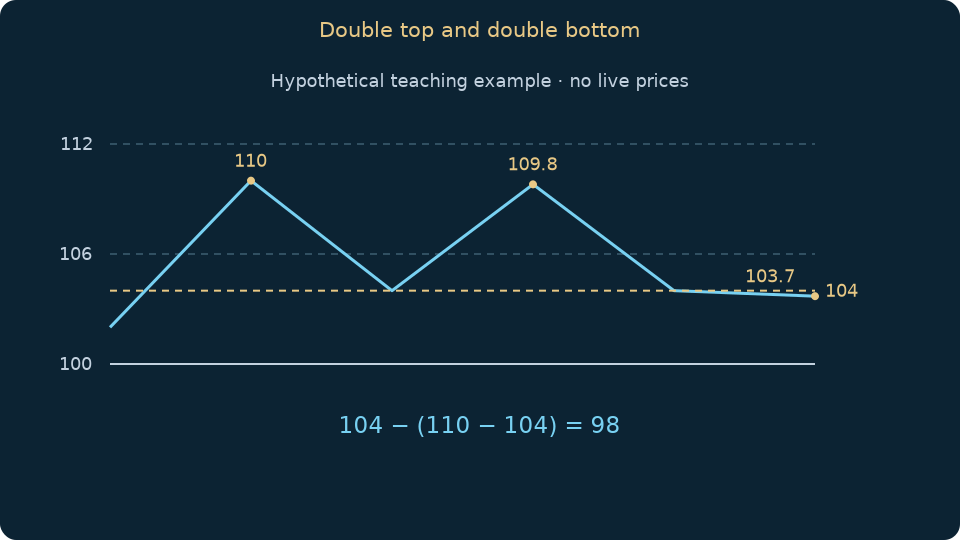
Distinguish a two-touch candidate from a neckline-confirmed pattern.
Read lesson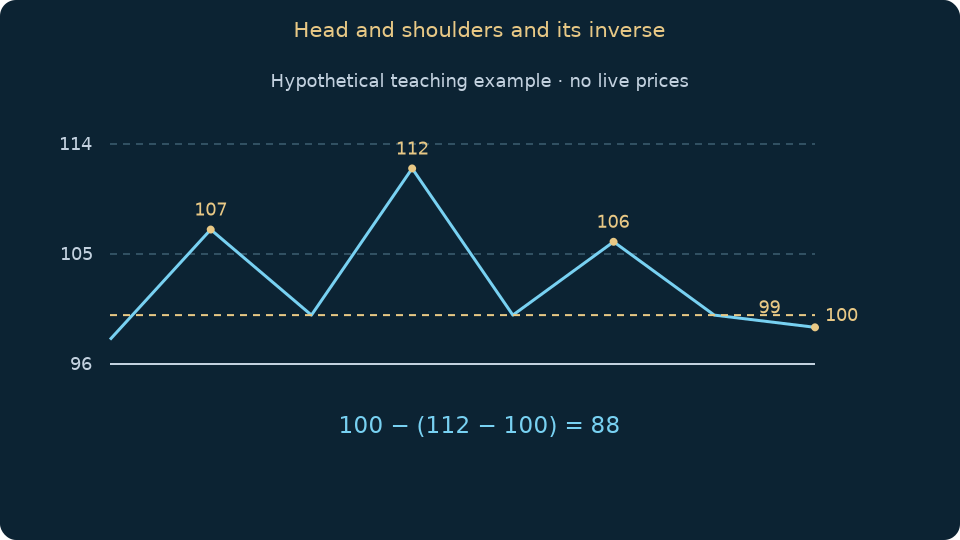
Identify three-swing geometry, neckline slope and failure conditions.
Read lesson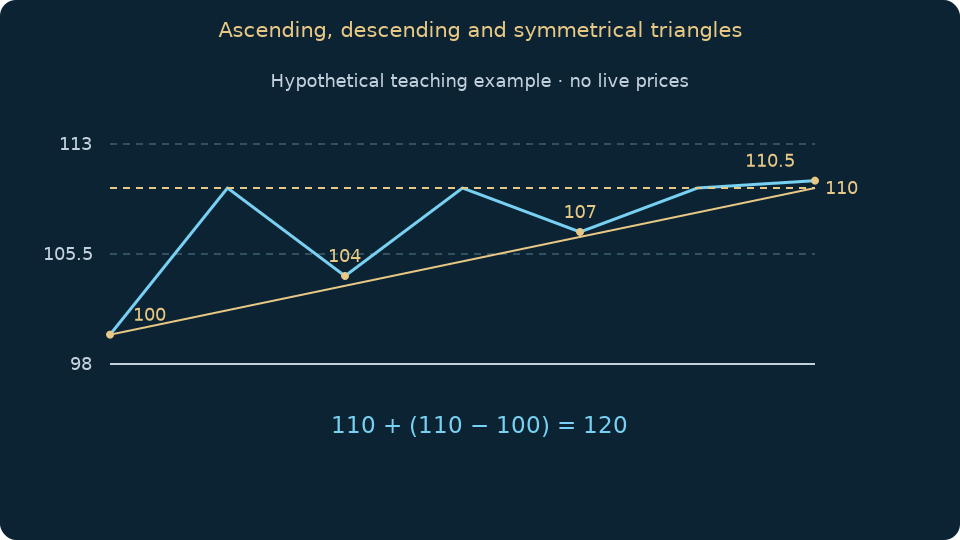
Classify converging boundaries without assuming a guaranteed breakout direction.
Read lesson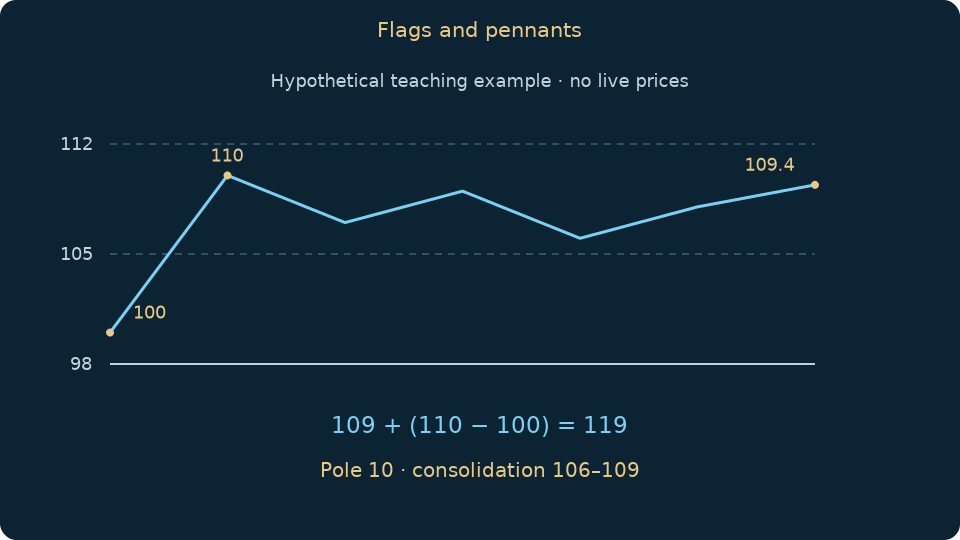
Distinguish a consolidation after an impulse from an arbitrary small range.
Read lesson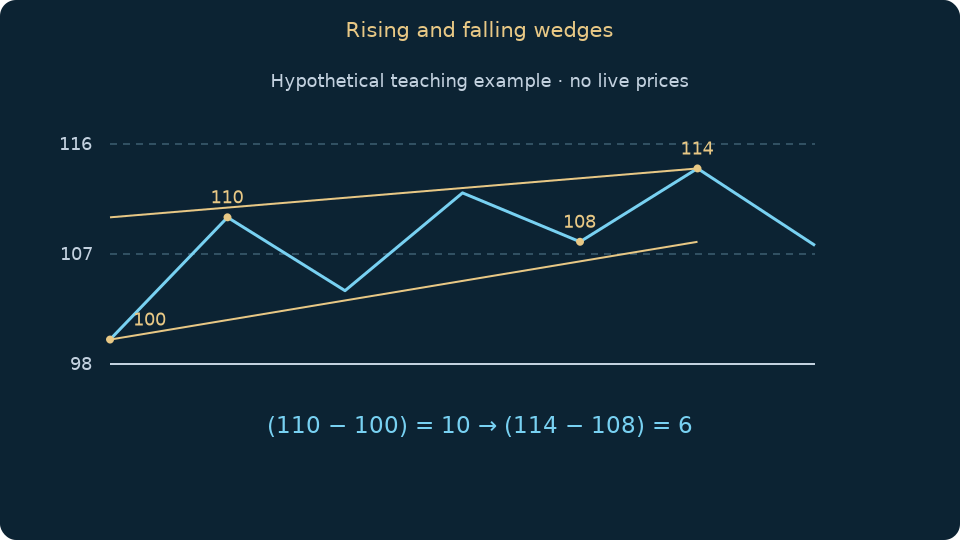
Distinguish a wedge from a parallel channel and test direction-specific hypotheses.
Read lesson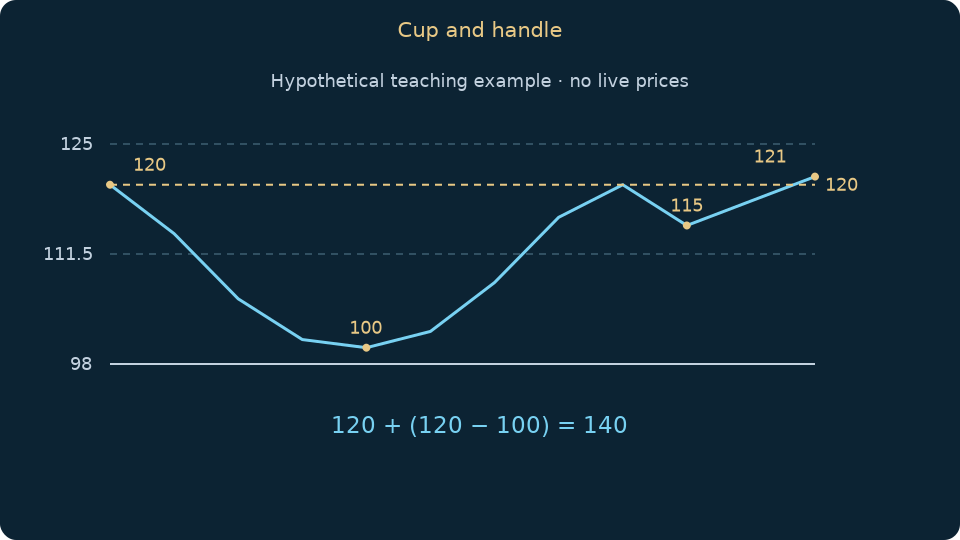
Describe rounded consolidation and a handle without manufacturing symmetry.
Read lesson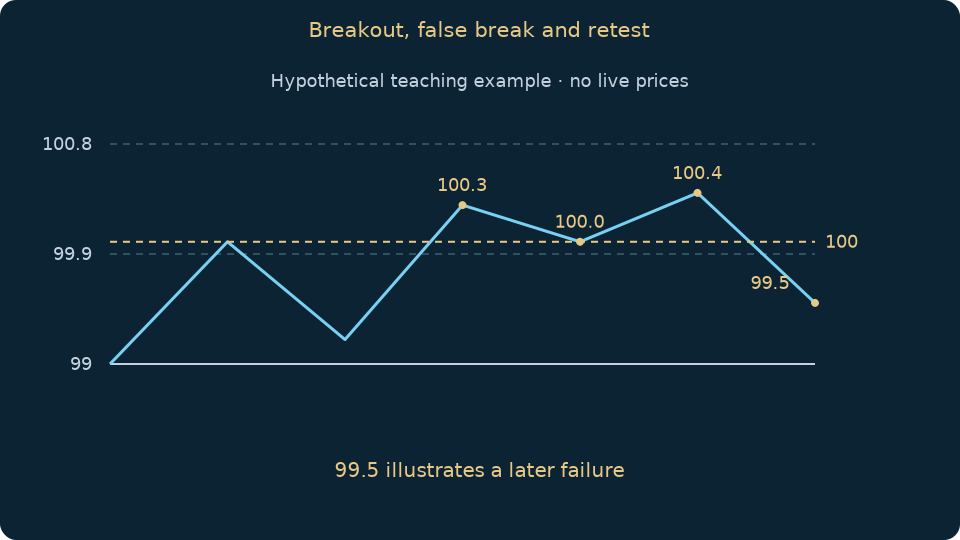
Write testable breakout and retest rules before inspecting future prices.
Read lesson
Frame two-sided price movement while allowing the range to end.
Read lesson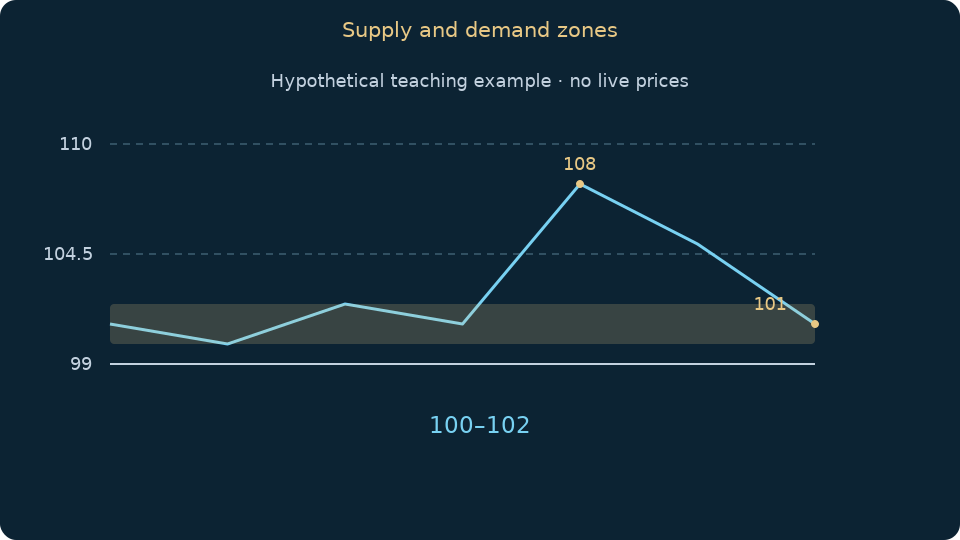
Describe historical departure areas without claiming visibility of hidden orders.
Read lesson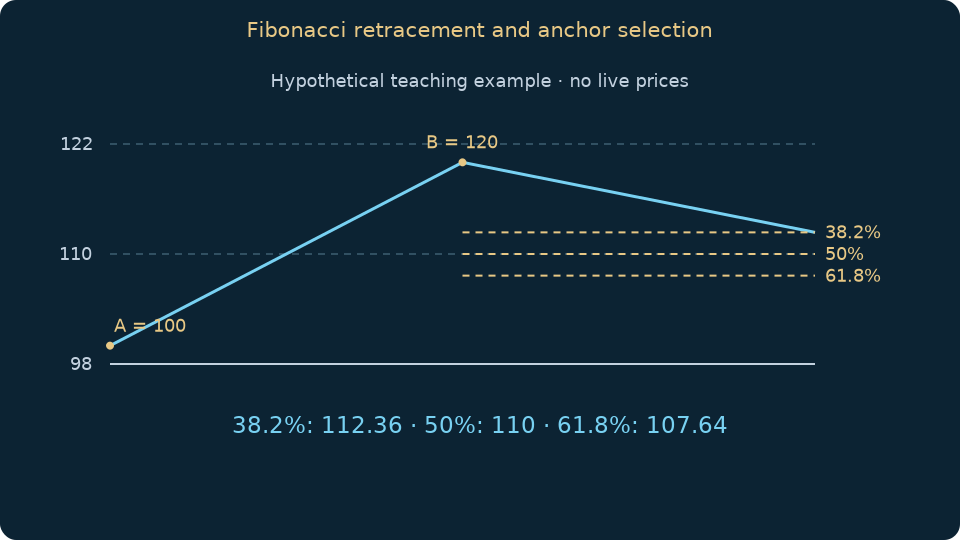
Calculate retracement prices from a stated swing and understand anchor uncertainty.
Read lesson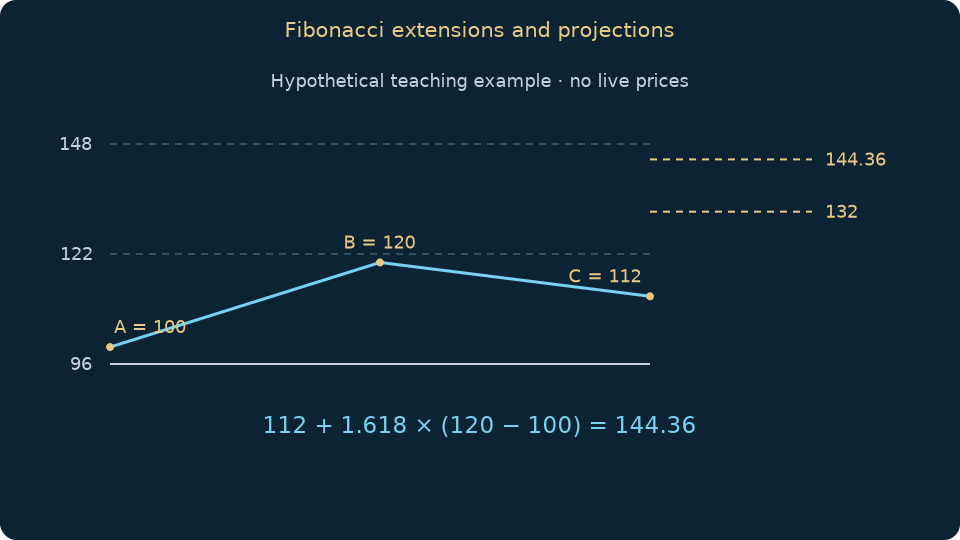
Use an explicit two-point or three-point convention for extension arithmetic.
Read lesson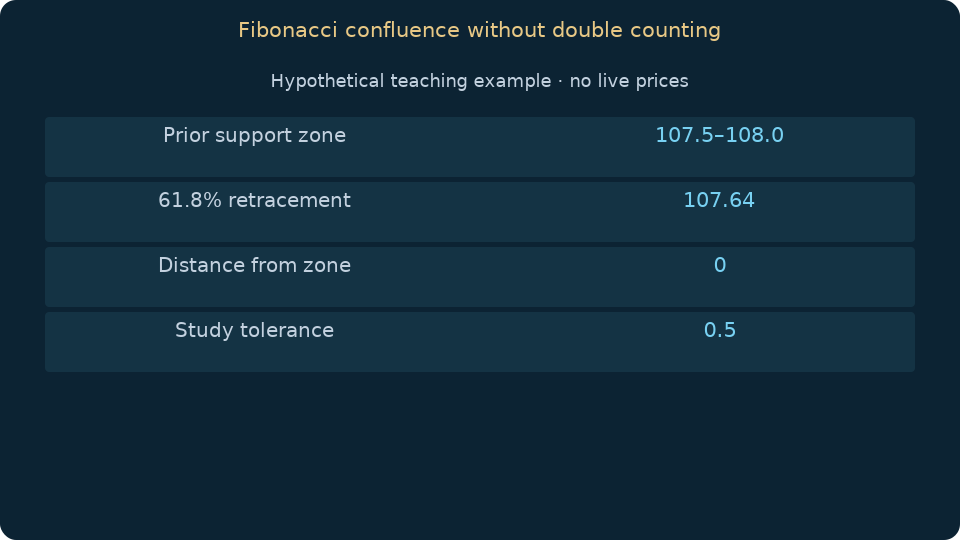
Distinguish a cluster of related levels from genuinely independent information.
Read lesson
Understand basic wave labels and why alternative counts remain possible.
Read lesson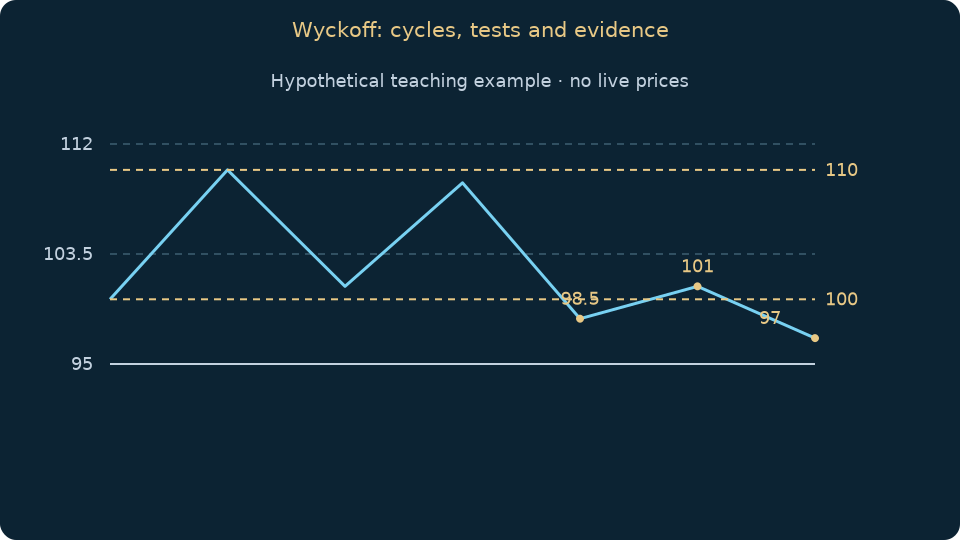
Use a price-volume framework without claiming knowledge of hidden intentions.
Read lesson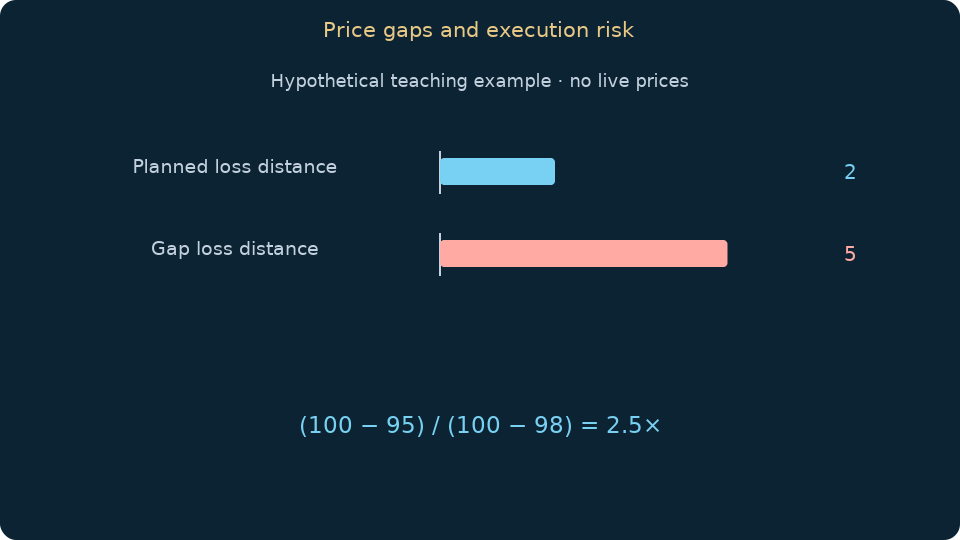
Separate visible gaps from chart artefacts and quantify possible stop slippage.
Read lesson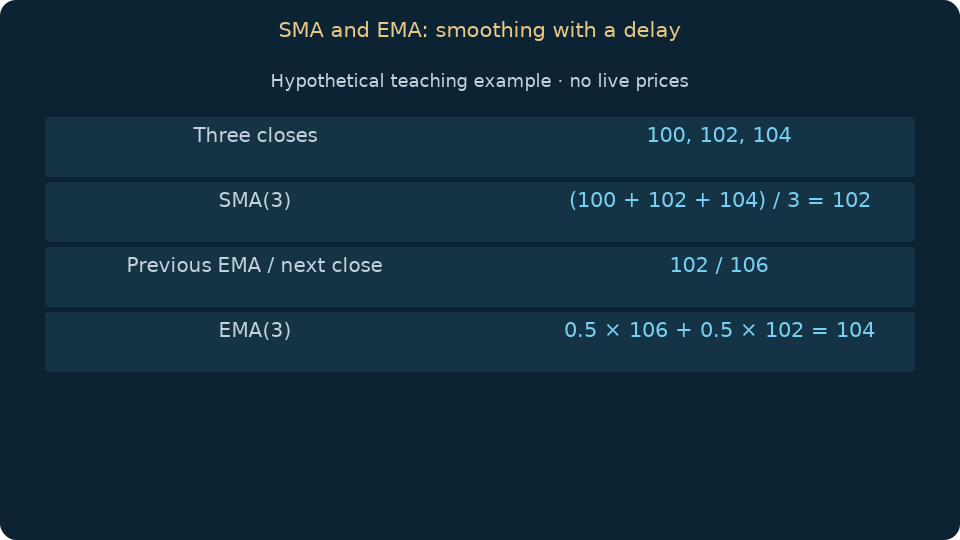
Compare equal weighting with exponential weighting and recognise the trade-off between responsiveness and noise.
Read lesson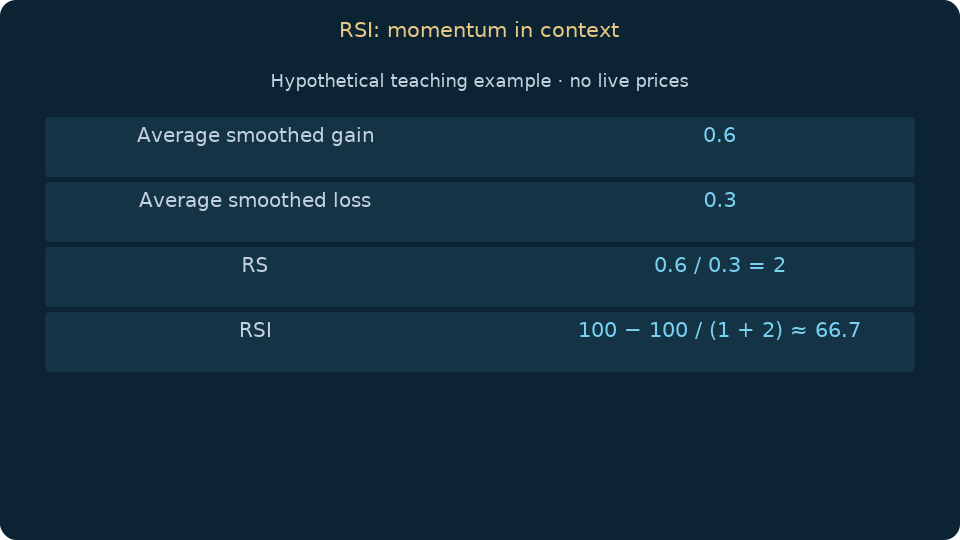
Interpret the RSI scale without treating an extreme reading as an automatic reversal.
Read lesson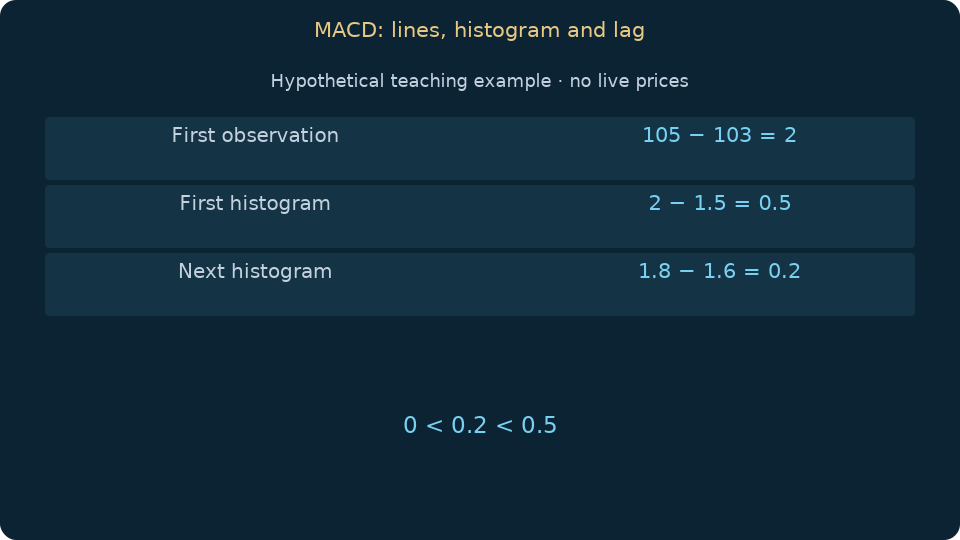
Separate the MACD level, signal crossover and histogram change.
Read lesson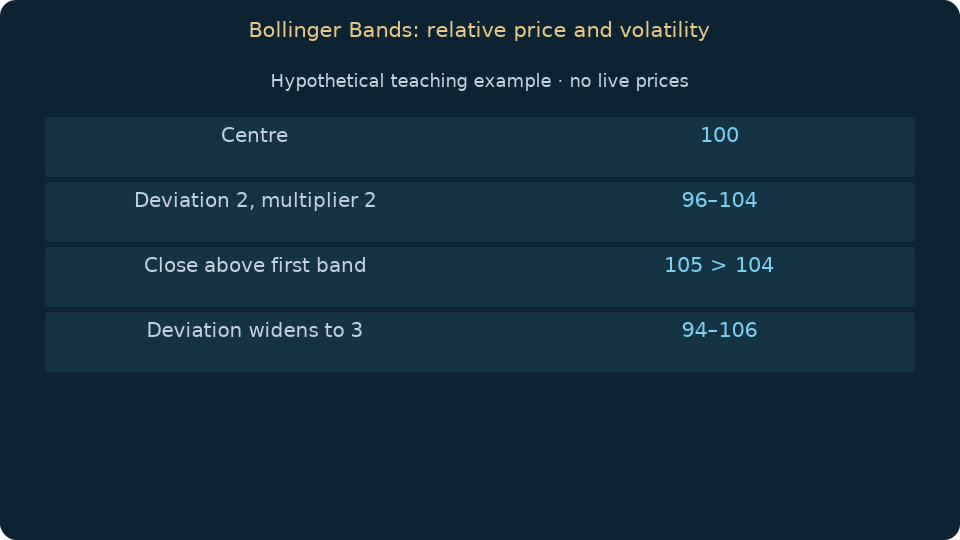
Read the band centre, width and price location without assuming every touch reverses.
Read lesson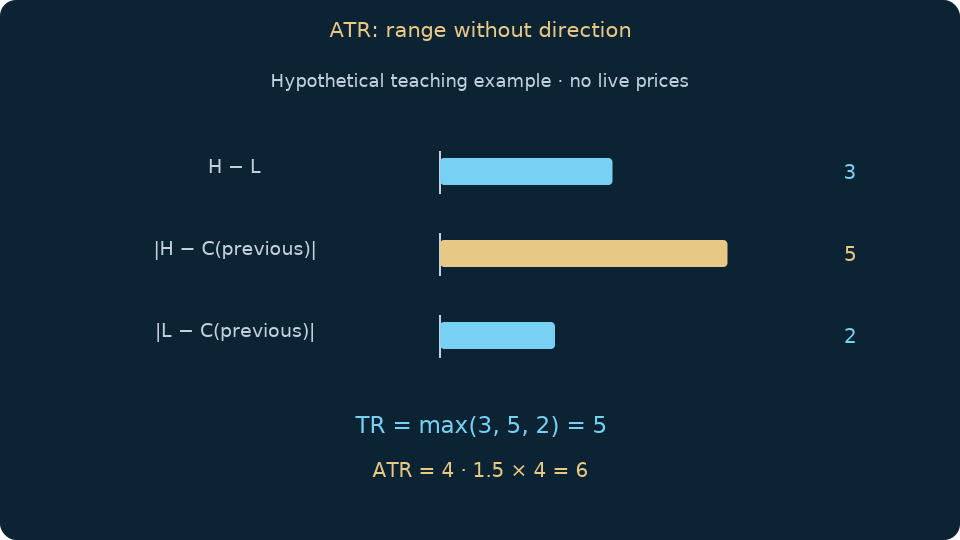
Calculate true range and separate volatility measurement from a risk budget.
Read lesson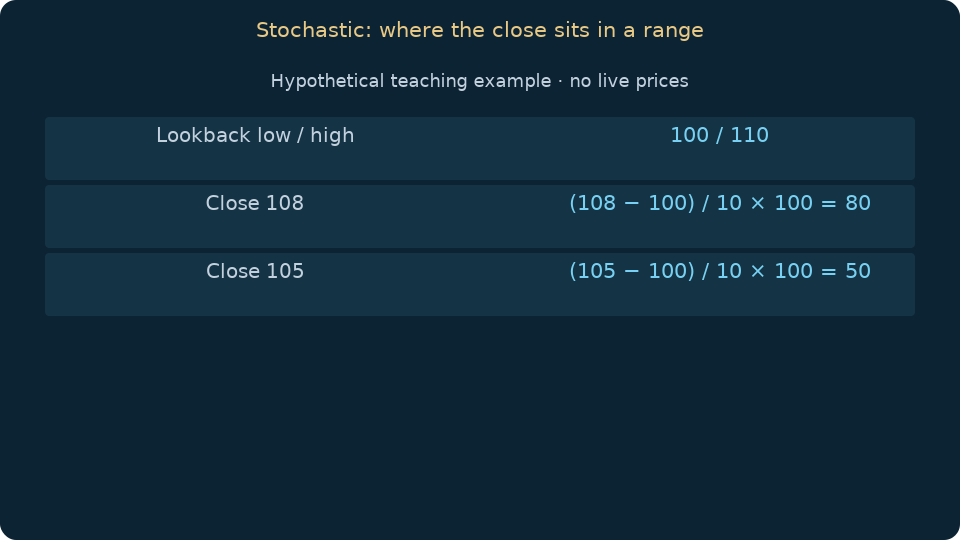
Explain the oscillator calculation and distinguish range location from reversal certainty.
Read lesson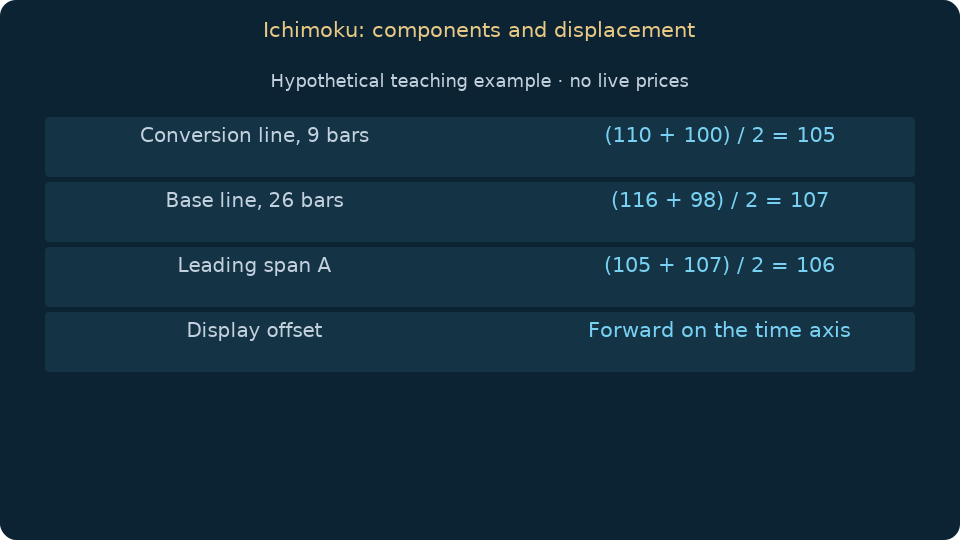
Identify the cloud components and explain why forward plotting is not future information.
Read lesson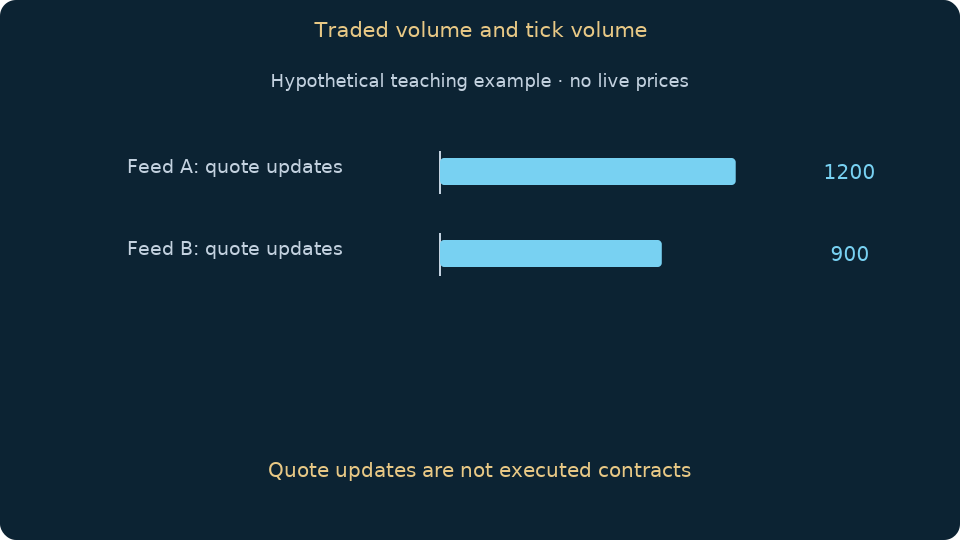
Identify what a volume feed counts before using it to support a price hypothesis.
Read lesson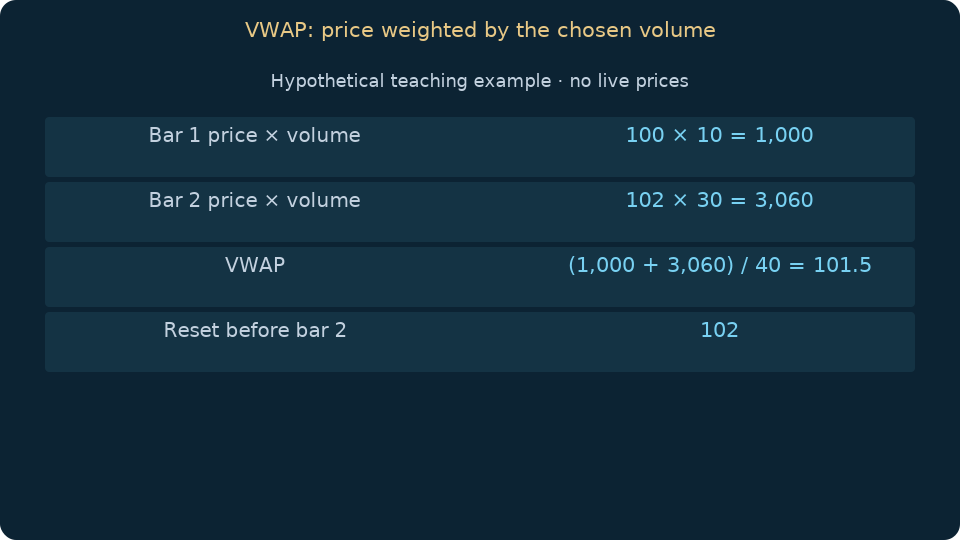
Explain the weighted calculation and how the anchor changes the question being asked.
Read lesson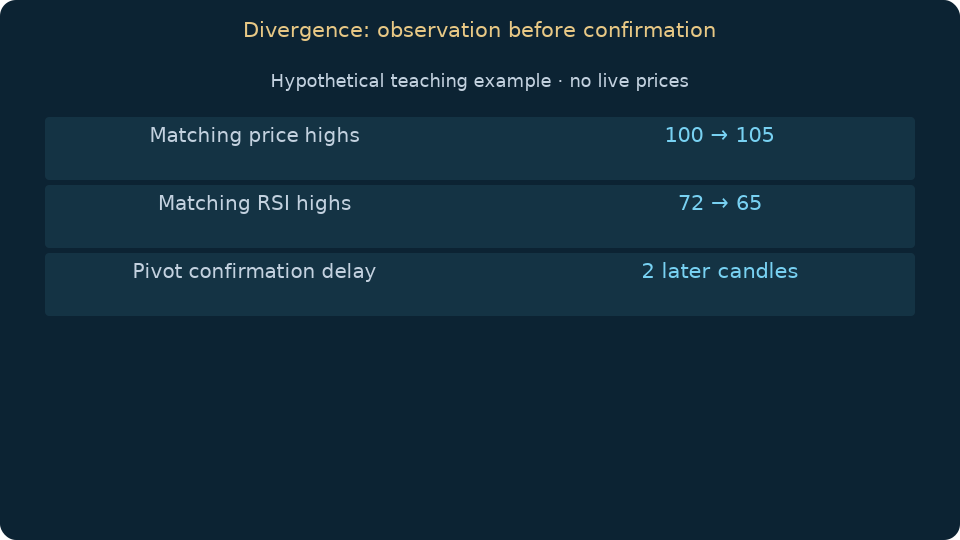
Describe price-indicator disagreement and prevent retrospective pivot selection.
Read lesson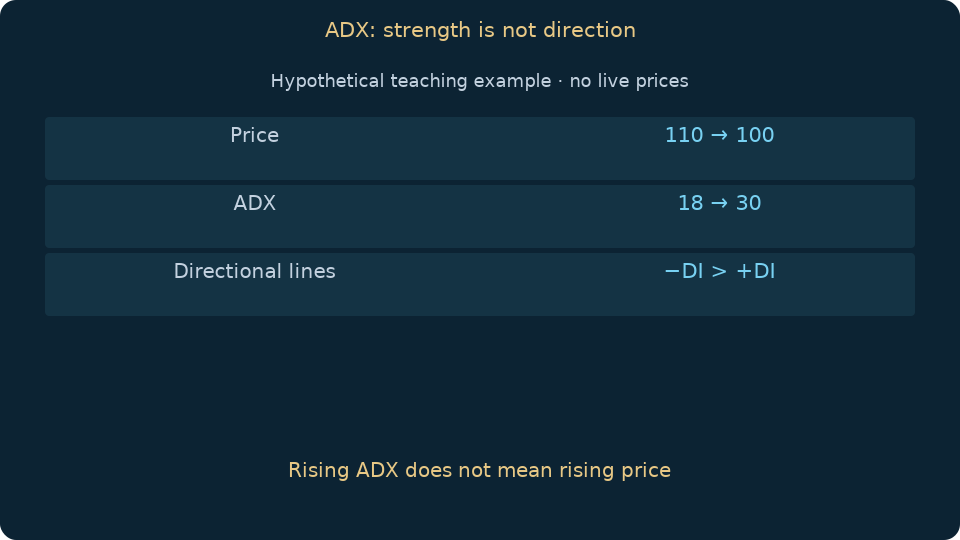
Separate ADX trend strength from the directional information in plus and minus DI.
Read lesson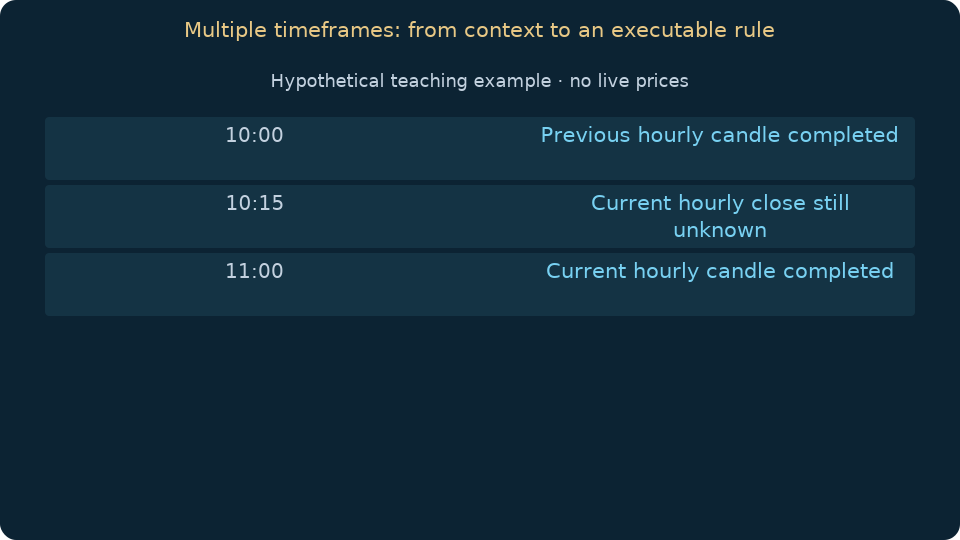
Define what higher-timeframe information is available when a lower-timeframe decision is evaluated.
Read lesson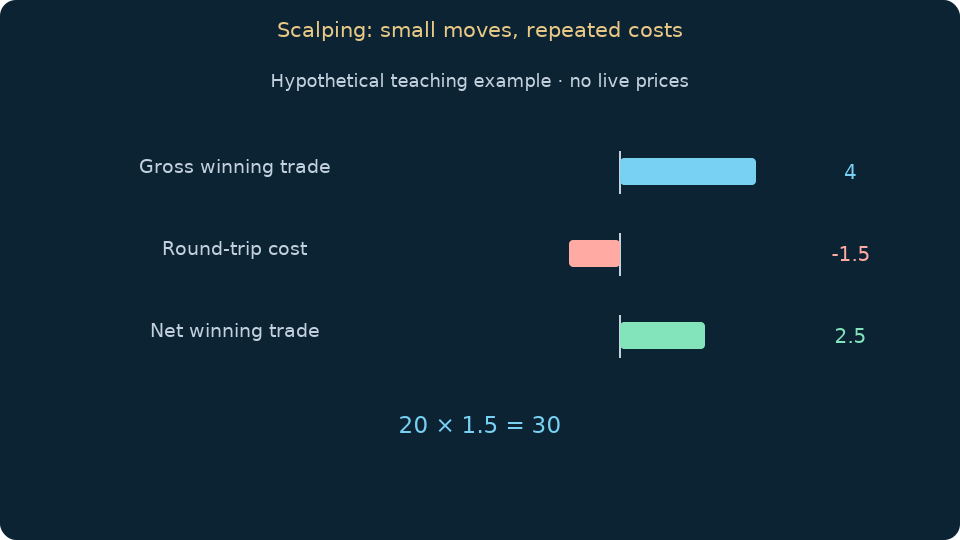
Calculate the effect of repeated execution costs before judging a short-horizon method.
Read lesson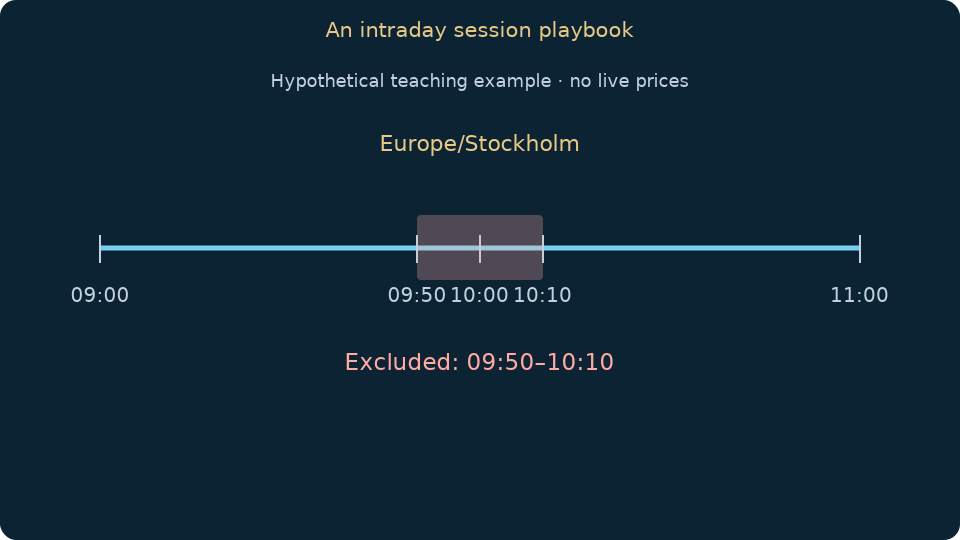
Turn a chosen observation window into a repeatable preparation, execution and review process.
Read lesson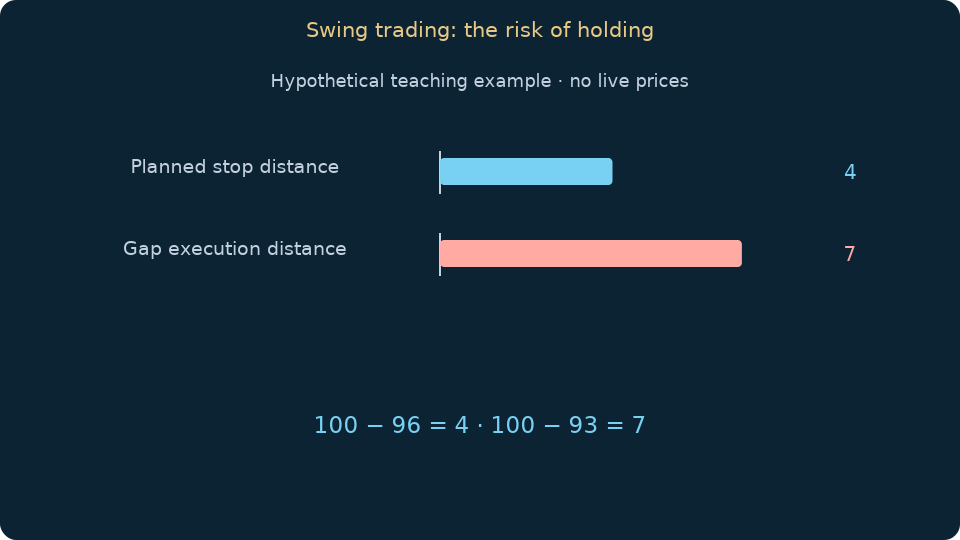
Distinguish a multi-session holding style from a complete tested strategy.
Read lesson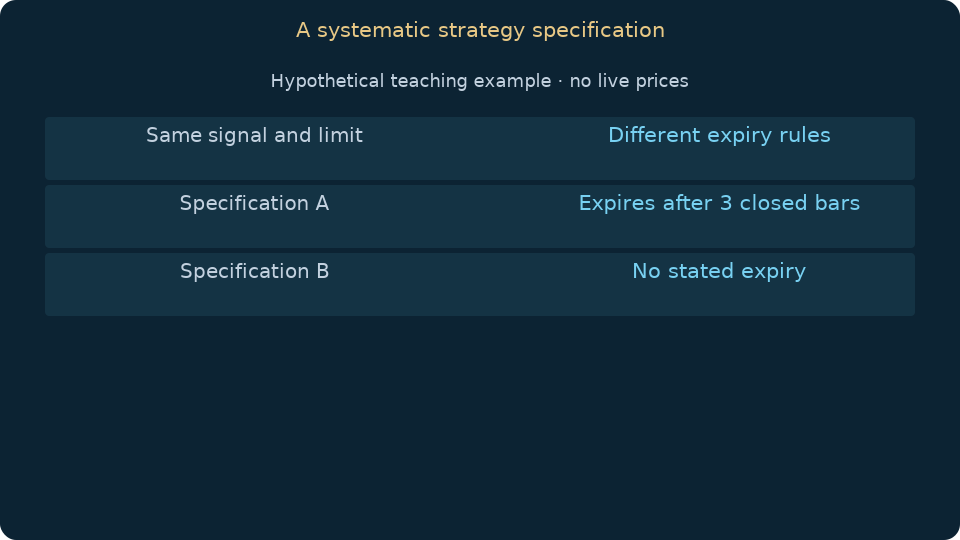
Turn a trading idea into rules another researcher can reproduce without guessing.
Read lesson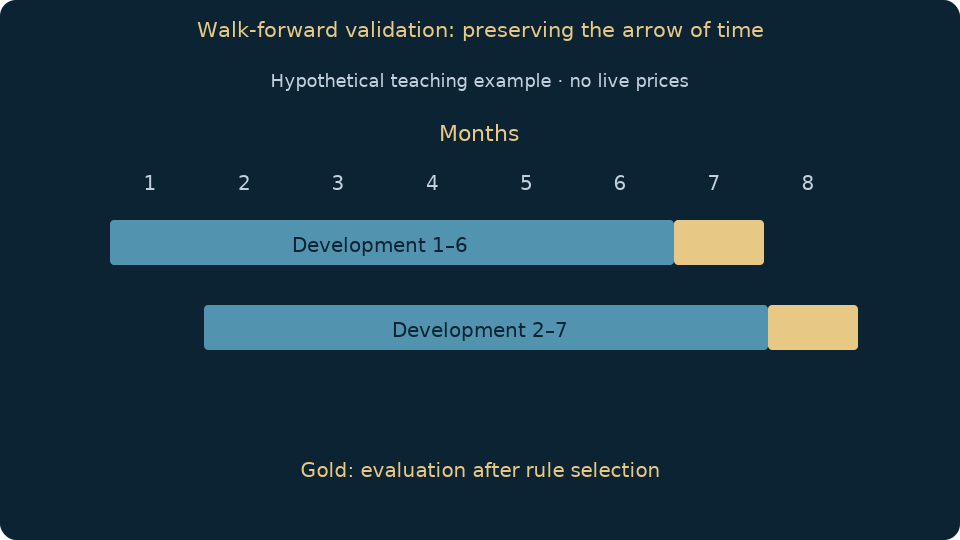
Separate development from later evaluation and recognise the limits of repeated optimisation.
Read lesson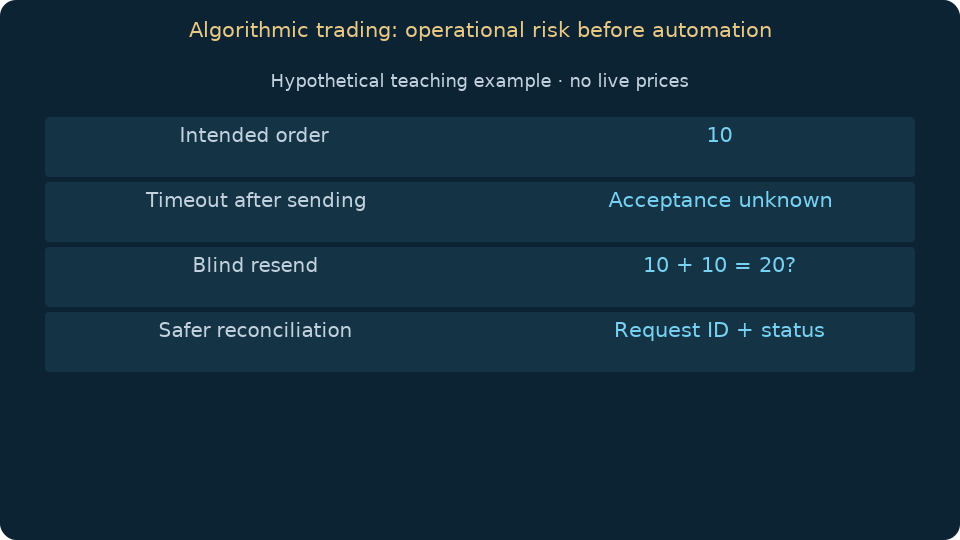
Separate strategy logic, simulated fills and real execution controls.
Read lesson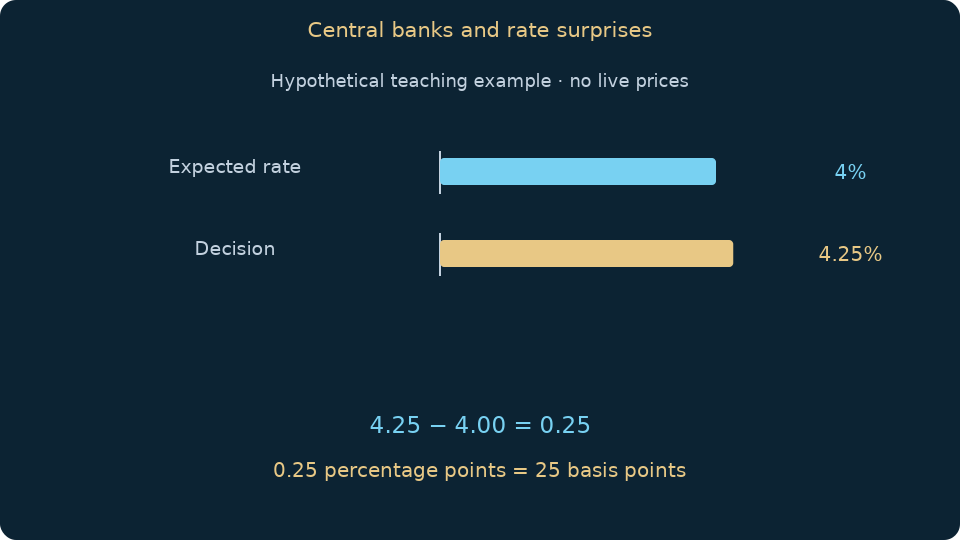
Distinguish a policy decision from the surprise relative to expectations.
Read lesson
Read the measurement period and component detail before interpreting inflation.
Read lesson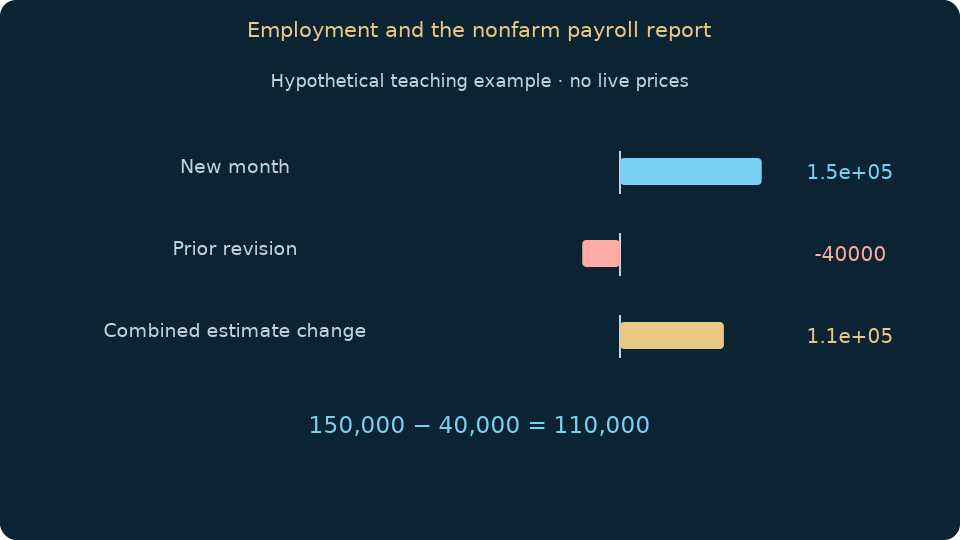
Separate payroll jobs, household unemployment and revisions.
Read lesson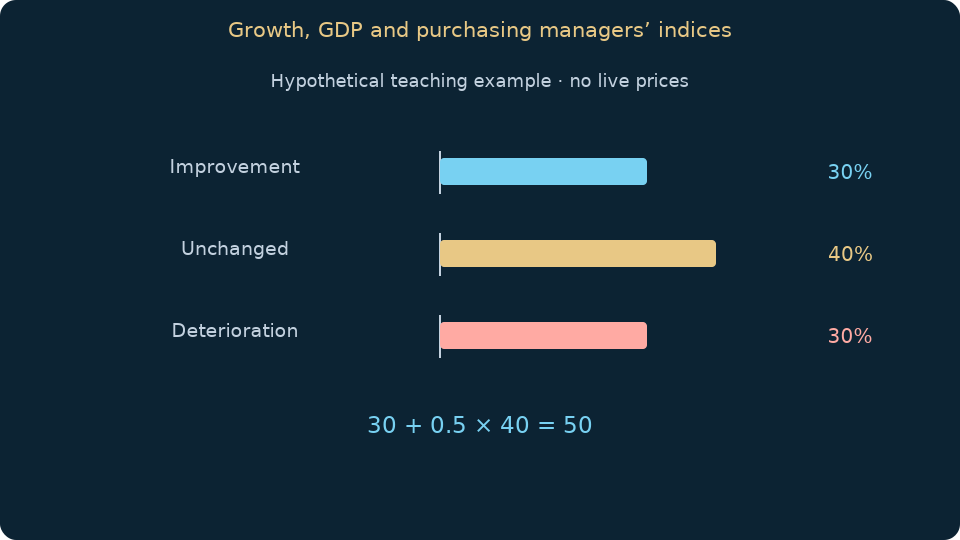
Understand why a diffusion index is not a growth percentage.
Read lesson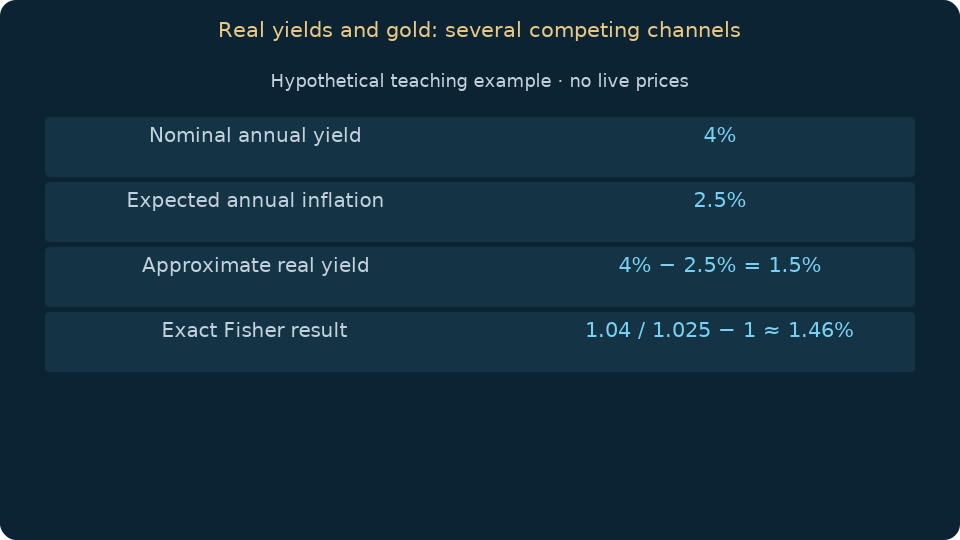
Calculate an approximate expected real yield and explain its limits.
Read lesson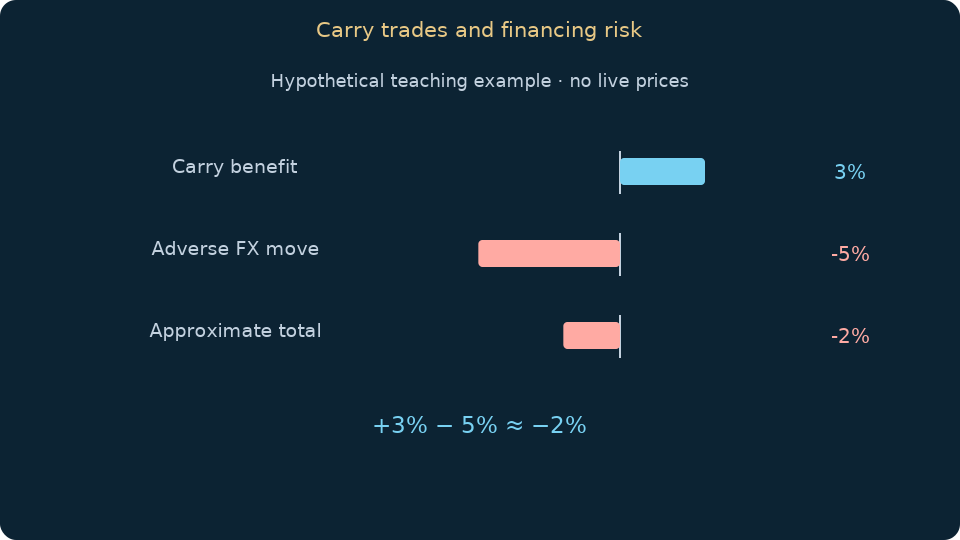
Distinguish interest carry from exchange-rate profit and broker financing.
Read lesson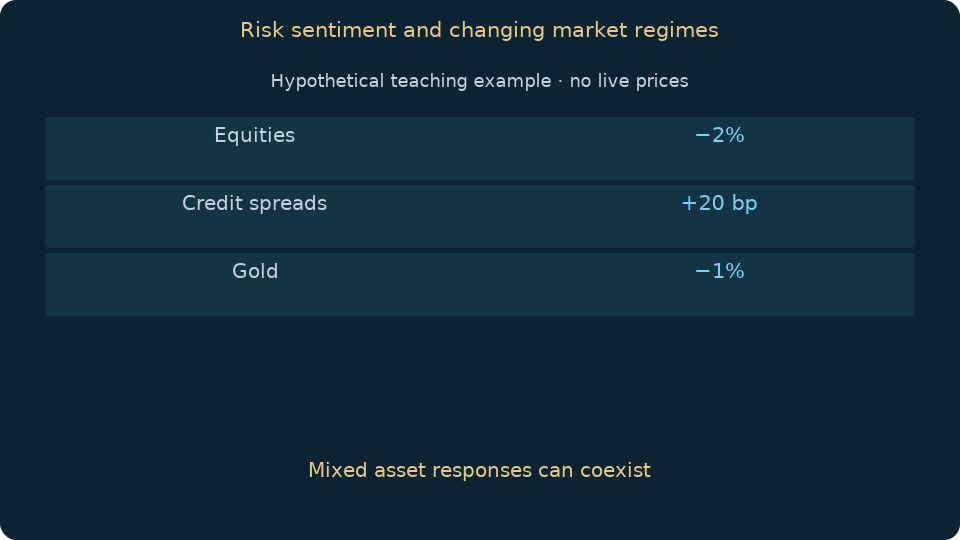
Describe risk appetite without assigning permanent safe-haven rules.
Read lesson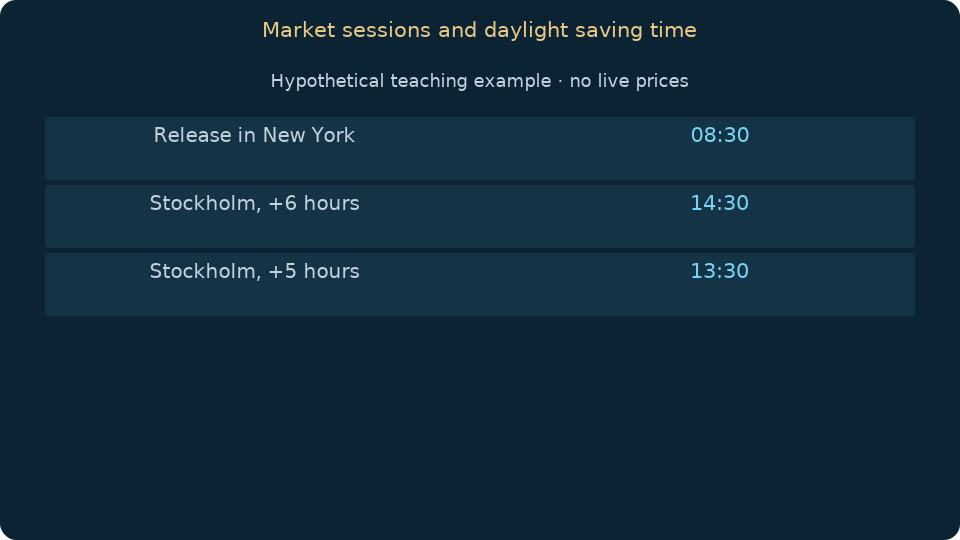
Convert a dated session time without assuming a year-round offset.
Read lesson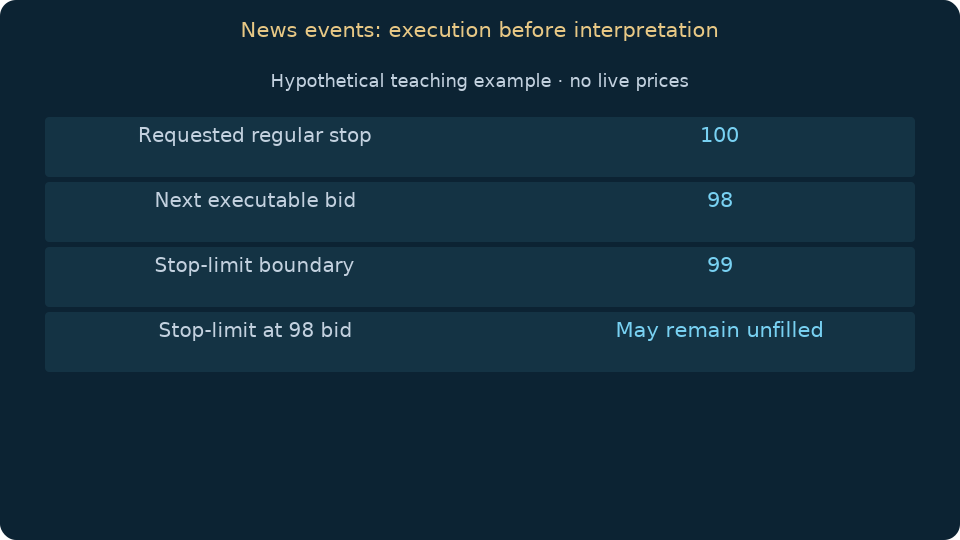
Identify spread, gap and slippage risk around a scheduled release.
Read lesson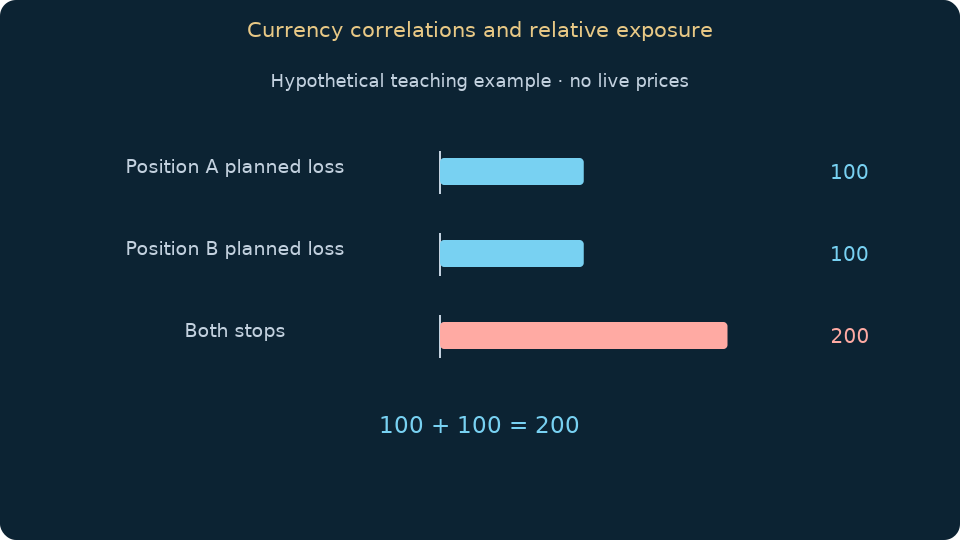
Explain shared currency exposure and calculate return correlation appropriately.
Read lesson
Connect scenario invalidation, position size and a predefined trailing rule.
Read lesson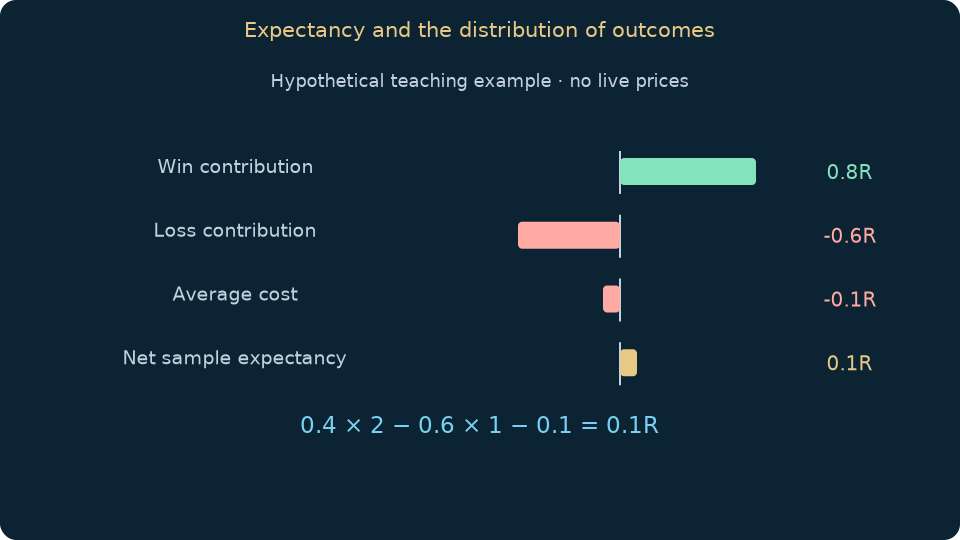
Calculate sample expectancy without mistaking it for a proven edge.
Read lesson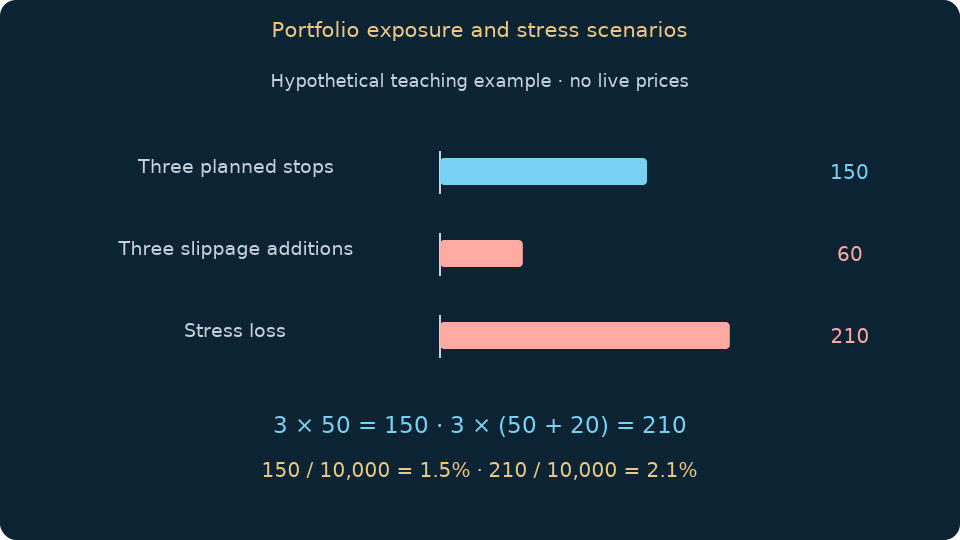
Aggregate planned losses and identify common drivers across positions.
Read lesson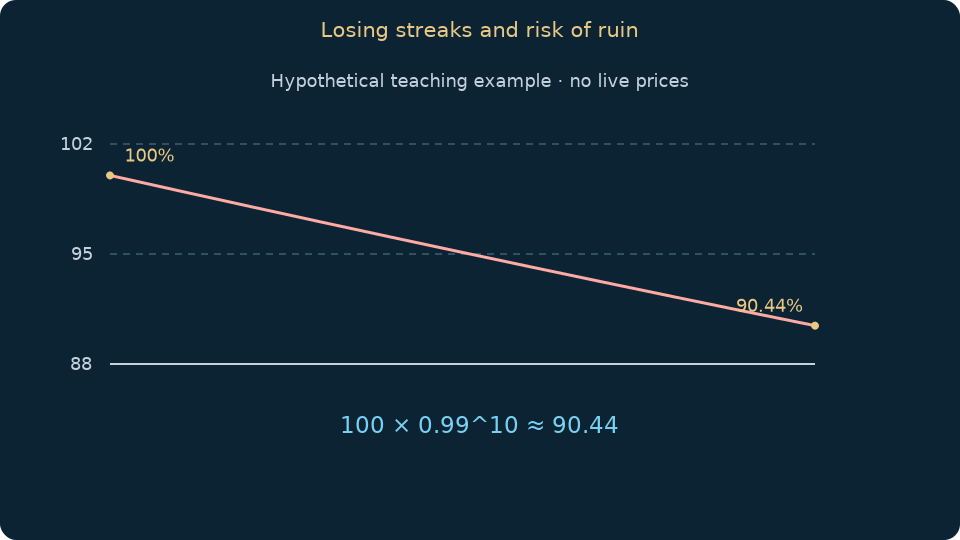
Calculate compounded drawdown and recognise assumptions behind streak probabilities.
Read lesson
Identify an emotional trigger and replace an impulsive order with a process check.
Read lesson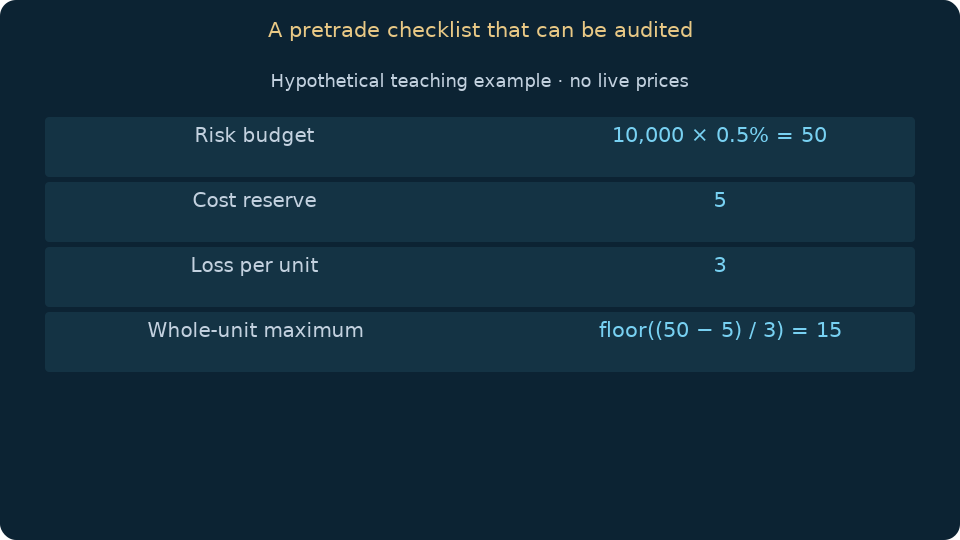
Build observable checks instead of vague confidence statements.
Read lesson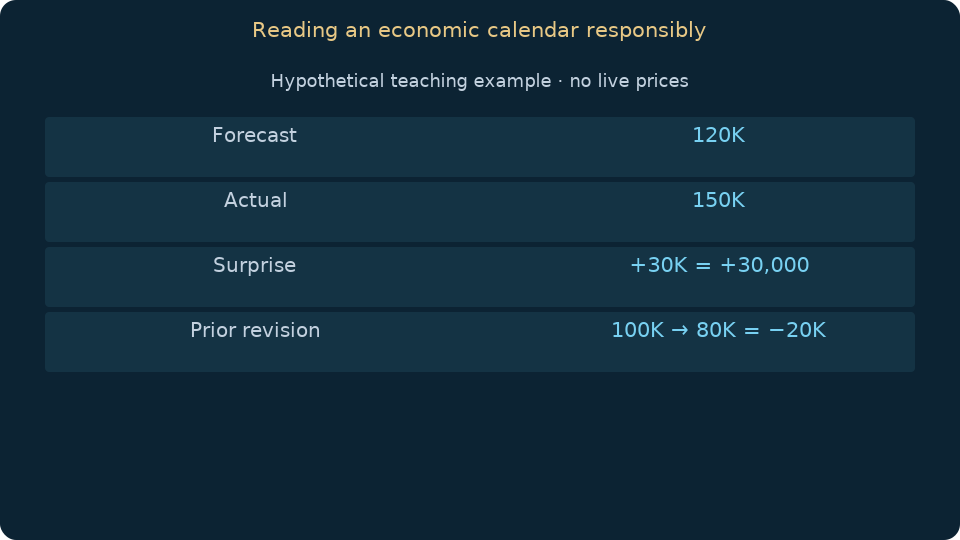
Check release units, forecast source, revisions and timezone.
Read lesson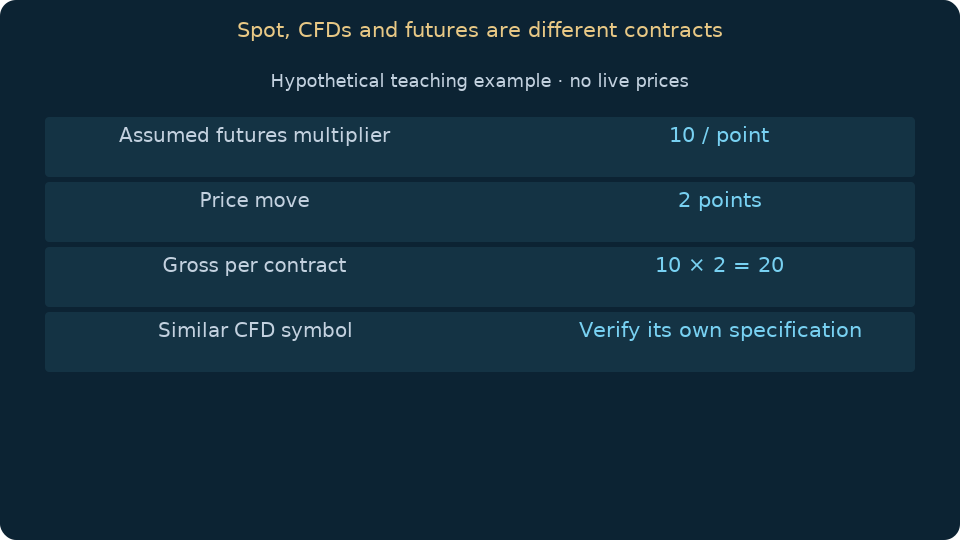
Identify ownership, counterparty, financing and expiry before comparing products.
Read lesson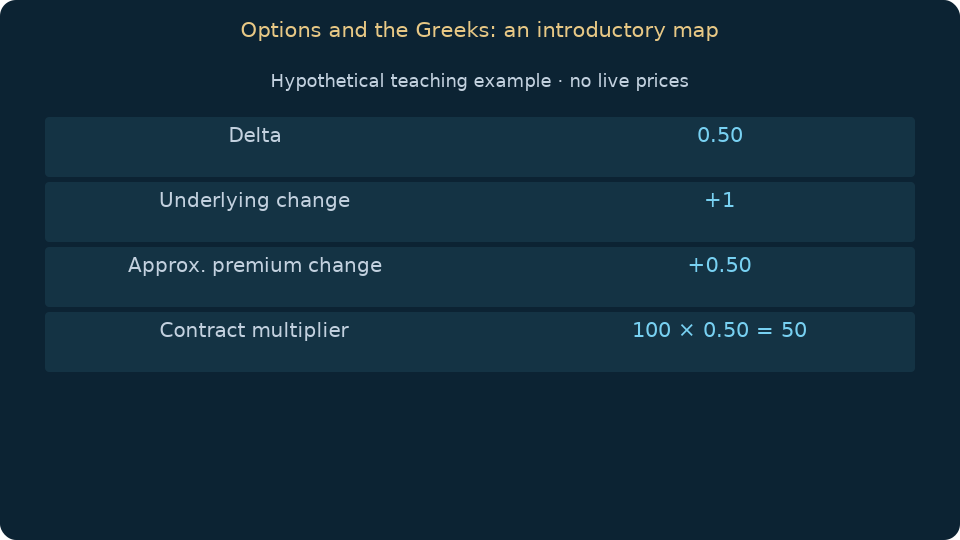
Explain delta, gamma, theta and vega as model sensitivities rather than promises.
Read lesson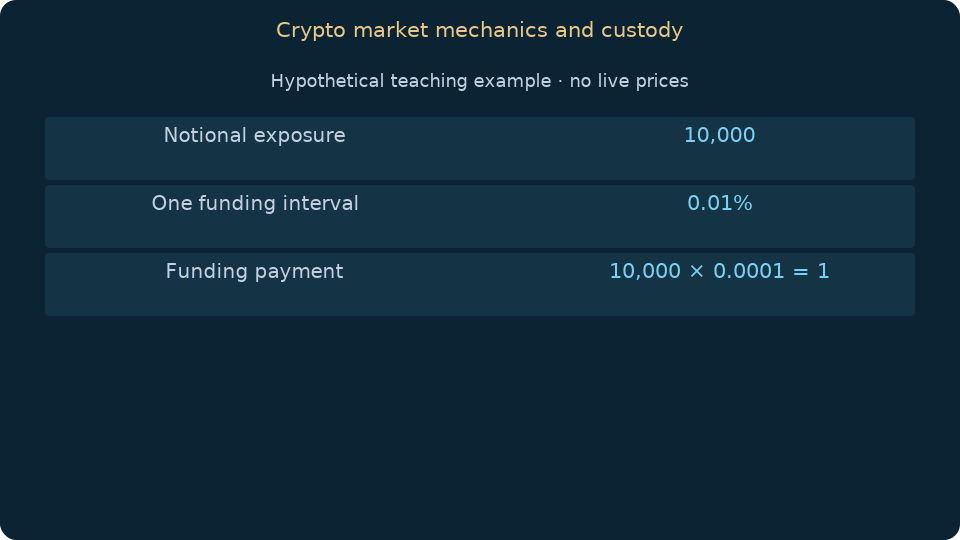
Separate token exposure, custody, venue pricing and derivatives funding.
Read lesson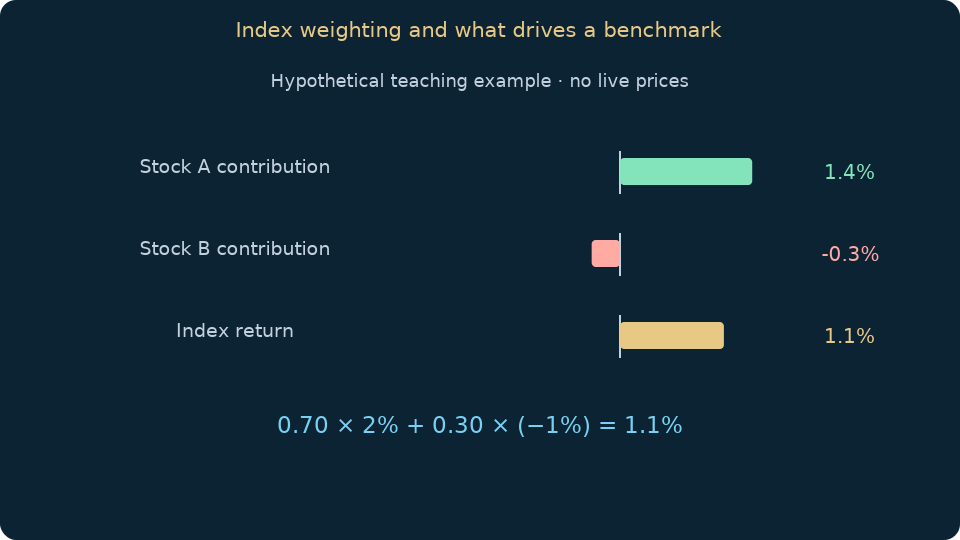
Calculate weighted contributions and distinguish an index from a tradable product.
Read lesson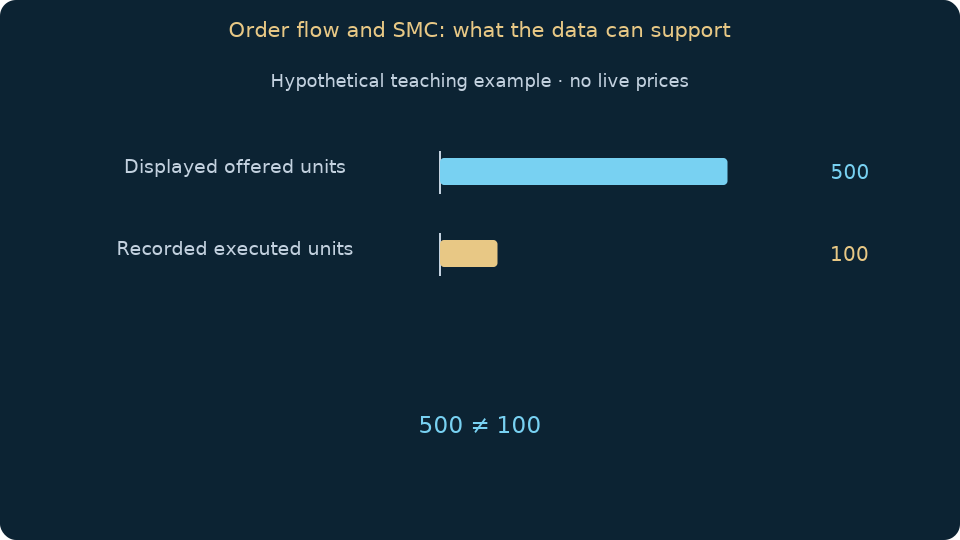
Distinguish recorded transactions from chart interpretations of hidden intentions.
Read lesson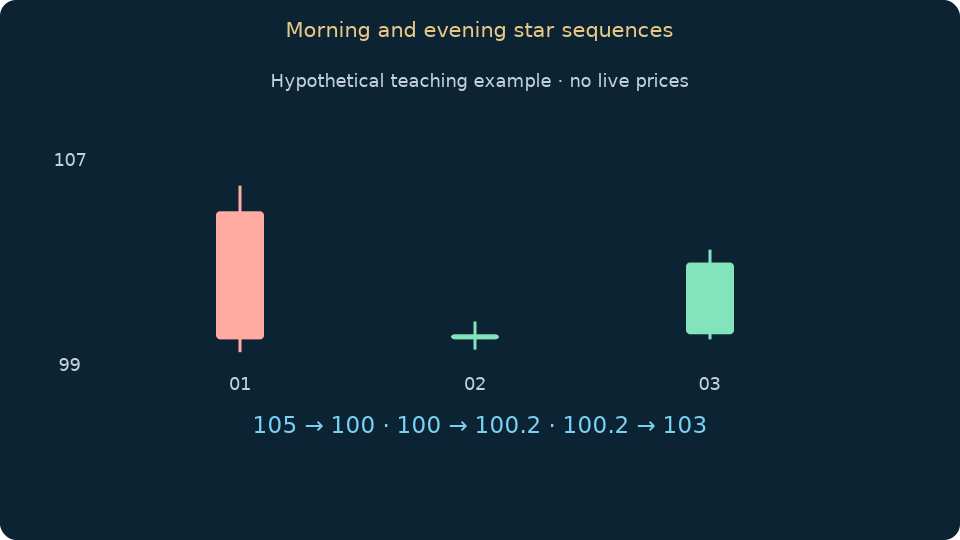
Describe a three-candle reversal hypothesis and its failure condition.
Read lesson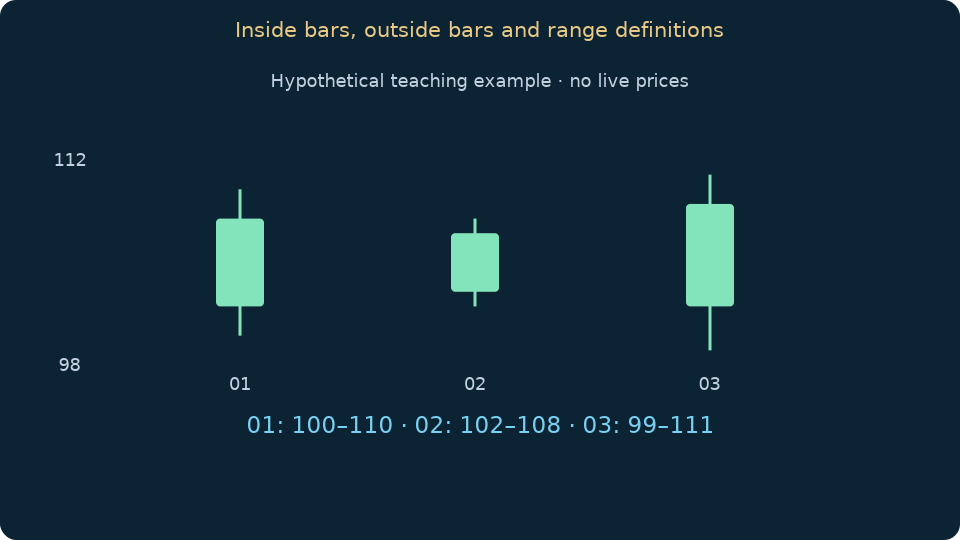
Distinguish range containment from body engulfing.
Read lesson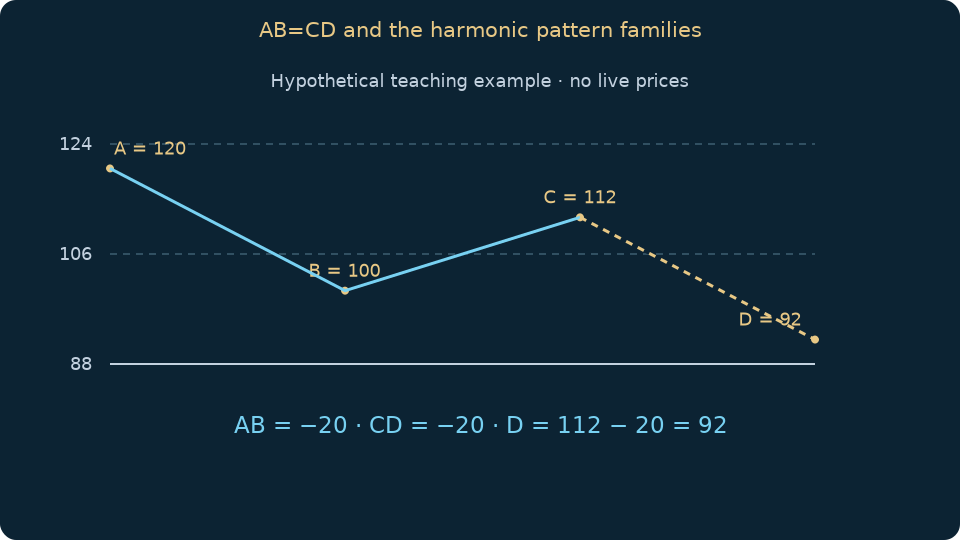
Measure legs consistently before naming a harmonic pattern.
Read lesson
Calculate the classic pivot and first support and resistance levels.
Read lesson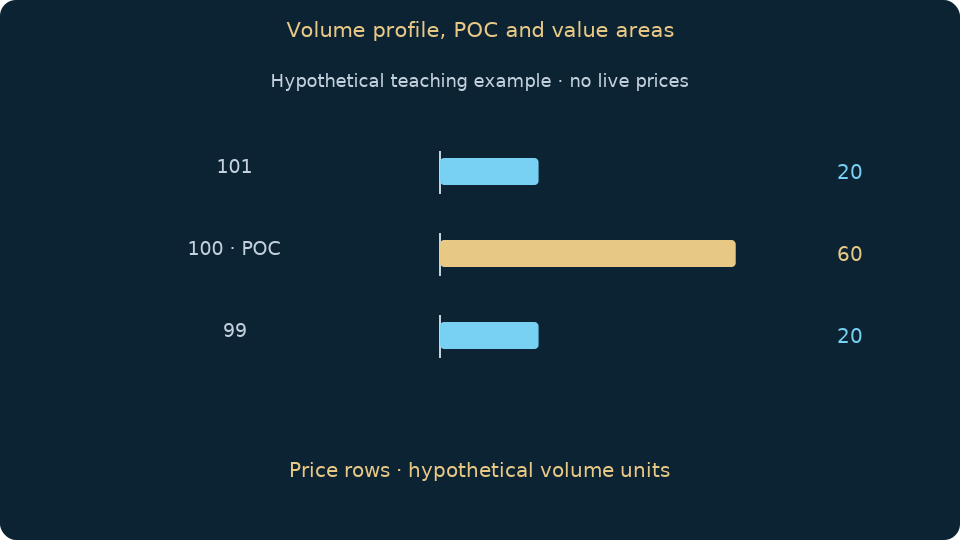
Read a price-by-volume display without treating it as a global order book.
Read lesson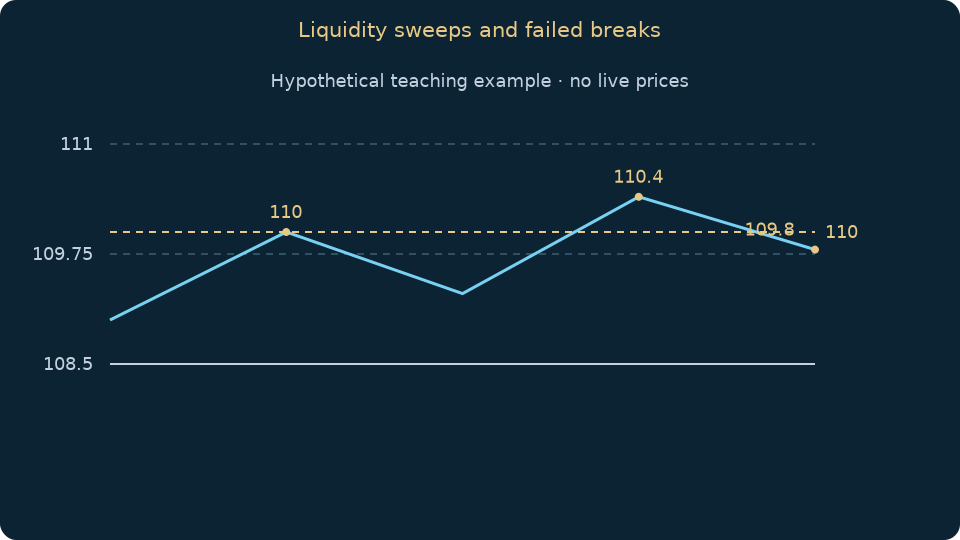
Separate an observable failed break from an unverified explanation of intent.
Read lesson
Distinguish a display scale from the calculation used for levels.
Read lesson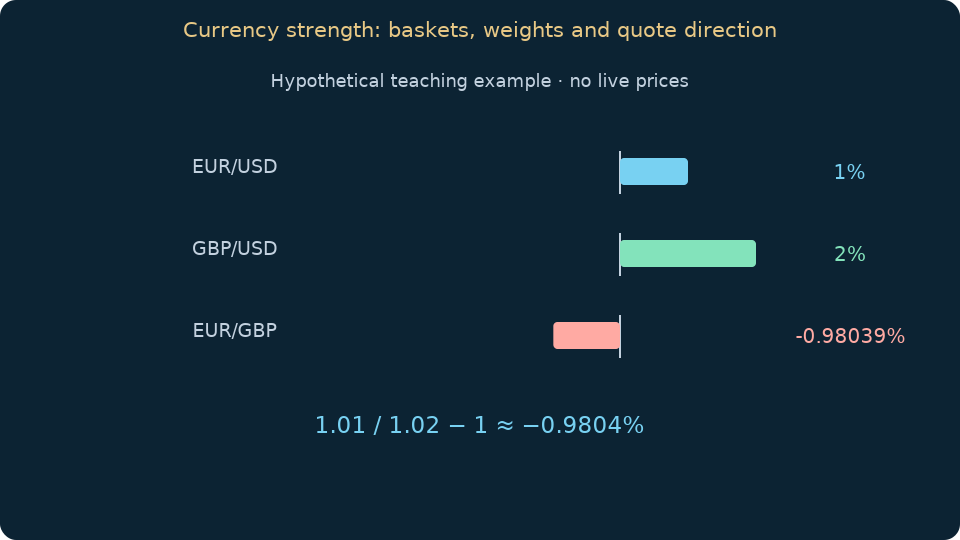
Define what a strength score measures before comparing currencies.
Read lesson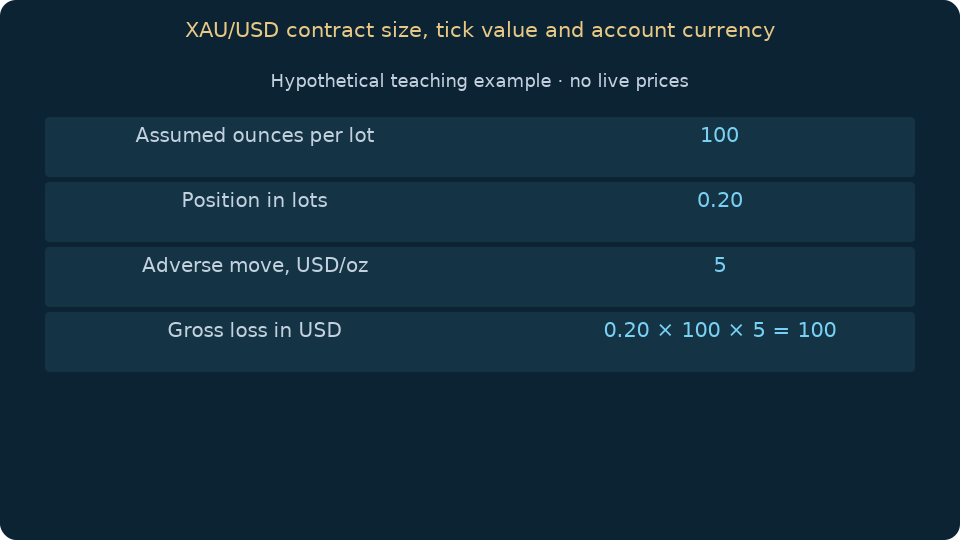
Translate a gold price distance into cash exposure using the actual contract.
Read lesson
Rehearse connection, sizing, orders and review without confusing demo with live execution.
Read lesson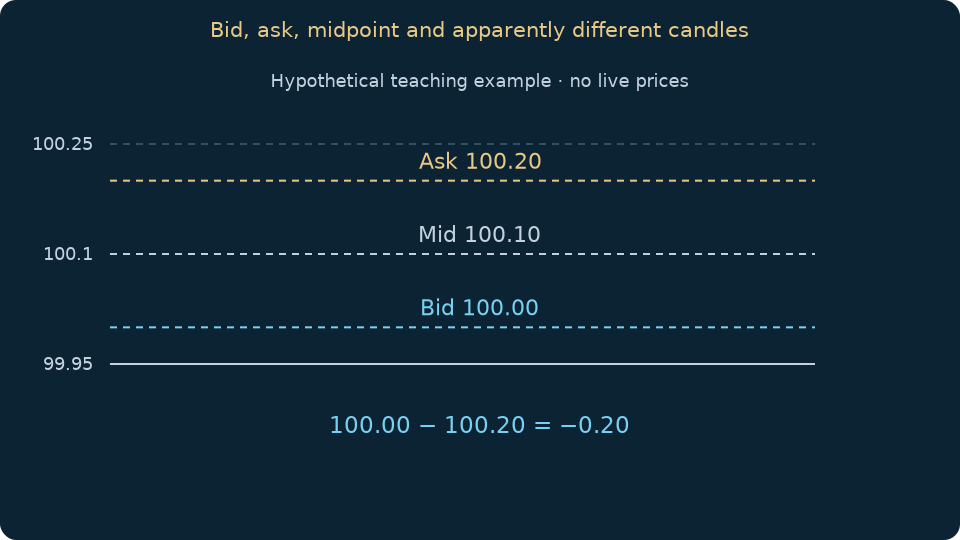
Explain why a chart and an executable price may differ.
Read lesson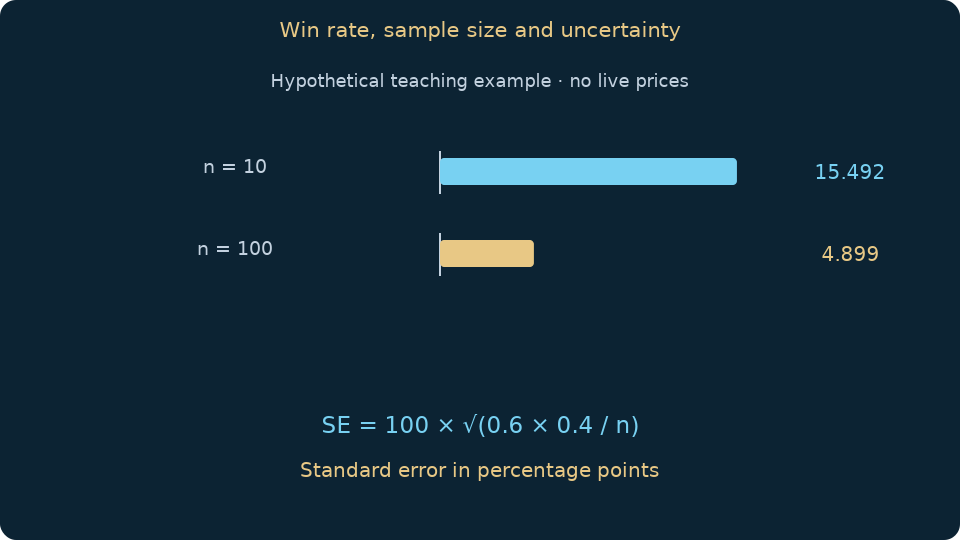
Separate a realised win rate from evidence about future performance.
Read lesson