
USD/ZAR
USD/ZAR quotes US dollar in South African rand. The first currency is the base. A rising ratio means the base strengthens relative to the quote; it does not imply both…
Markets
USD/ZAR quotes US dollar in South African rand. The first currency is the base. A rising ratio means the base strengthens relative to the quote; it does not imply both currencies moved independently.


The TradingView chart will load here. You can also use the reload button below.
External chart by TradingView. Data can be delayed or unavailable; confirm the symbol and venue before using it.
The external chart interface is in English; TradingView’s documented widget language list does not include Persian or Swedish. TANDEES page content remains in your selected language.
The chart loads automatically when this section is in view. Your device connects to TradingView, which receives connection data including your IP address.
The TradingView chart will load here. You can also use the reload button below.
External chart by TradingView. Data can be delayed or unavailable; confirm the symbol and venue before using it.
The external chart interface is in English; TradingView’s documented widget language list does not include Persian or Swedish. TANDEES page content remains in your selected language.
The chart loads automatically when this section is in view. Your device connects to TradingView, which receives connection data including your IP address.
USD/ZAR rises when USD strengthens relative to ZAR, and falls when it weakens. If both strengthen against a common basket, the relative percentage changes decide this pair. Equal percentage changes leave the ratio unchanged.
Build a study checklist around inflation, employment, growth and interest-rate expectations. Ask whether a release changes the expected policy path, and compare that change with the other currency rather than judging US data alone.
Currency library ↗Study inflation, growth and domestic policy together with metal-export and global-financing scenarios. Higher metal prices might support export income, but a broad retreat from risky assets could counter that channel. Energy-supply or fiscal news may also change a domestic-growth scenario.
Currency library ↗The TradingView chart will load here. You can also use the reload button below.
External chart by TradingView. Data can be delayed or unavailable; confirm the symbol and venue before using it.
The external chart interface is in English; TradingView’s documented widget language list does not include Persian or Swedish. TANDEES page content remains in your selected language.
The chart loads automatically when this section is in view. Your device connects to TradingView, which receives connection data including your IP address.
Indicator summaries can disagree across timeframes. They are context, not a personal trading instruction.
Compare policy expectations, inflation, growth and labour-market surprises in the two currency areas. Assess liquidity, intervention or managed exchange-rate arrangements where applicable. Read the current releases directly from the relevant institutions.
Federal Reserve · South African Reserve Bank
There is no universal exchange timetable for OTC forex or broker CFDs. Check the provider’s symbol specification, daily breaks and holiday calendar. The chart timezone is Europe/Stockholm; local daylight saving changes can shift overlaps.
OANDA:USDZAR · TradingView

Identify base and quote currencies and explain a price change without confusing direction.
Read lesson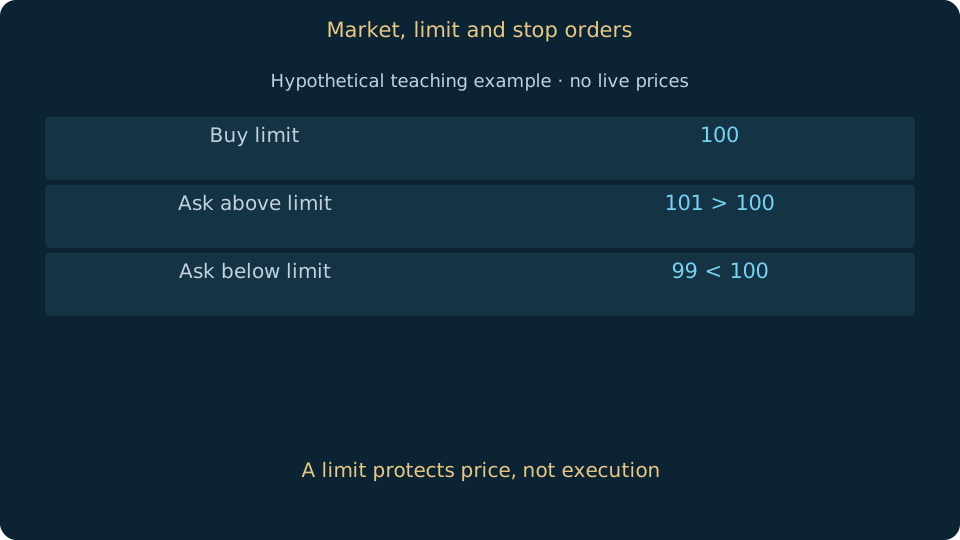
Distinguish price control from execution certainty and recognise stop-order risk.
Read lesson